Top Uses of Brass Wire Brush for Cleaning and Maintenance?
The cleaning and maintenance industry often highlights the versatility of the brass wire brush. John Smith, a seasoned expert in metal finishing, once said, "The right tools, like brass wire brushes, can make all the difference in maintenance." This statement rings true across various applications.
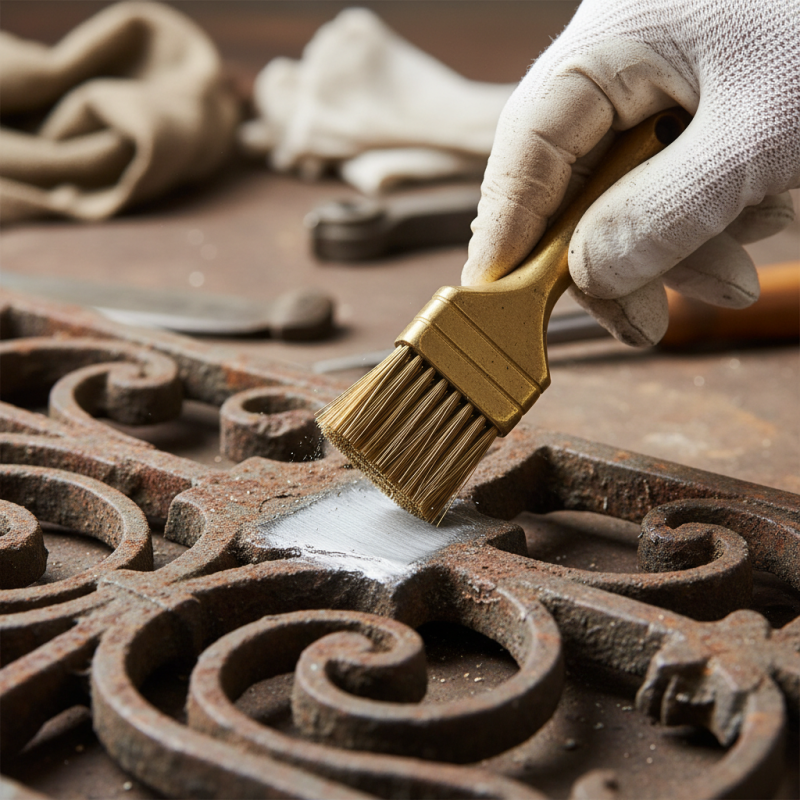
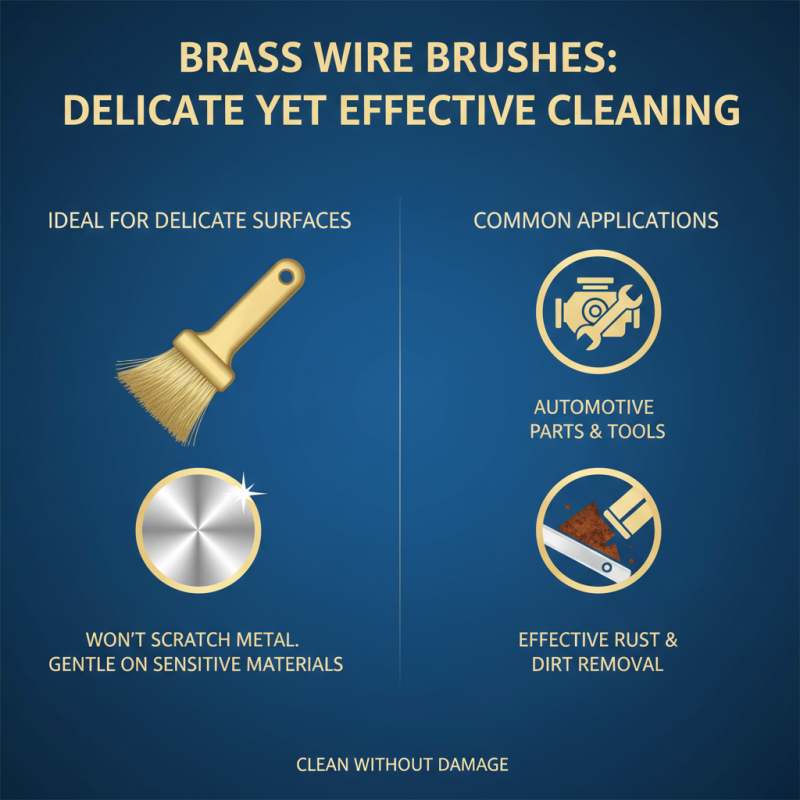
Brass wire brushes excel in multiple cleaning tasks. They can remove rust, dirt, and paint from metal surfaces, proving essential for restoration projects. Their bristles are gentle yet effective, preventing damage to delicate finishes. Proper use is crucial; over-scrubbing can remove more than just unwanted grime.
Despite their benefits, it's important to recognize the limitations. Brass wire brushes may not work well on all materials. Learning to select the right tool is vital for every cleaner. A thoughtful approach ensures optimal results without compromising the job at hand.
Understanding Brass Wire Brush Types and Materials
Brass wire brushes are versatile tools for cleaning and maintenance. These brushes are made from brass wire, known for its softness. This quality makes them ideal for delicate surfaces. Unlike steel brushes, brass wire brushes reduce the risk of scratches. They are perfect for cleaning metal, wood, and ceramic surfaces without causing damage.
There are various types of brass wire brushes available. Some have flat, stiff bristles for heavy-duty tasks. Others have softer, more flexible bristles for finer work. The choice of brush depends on your specific needs. For example, if you are removing paint, a stiffer brush works best. If you are polishing metal, a softer brush is preferable. It's crucial to choose the right type for the job.
While brass wire brushes are effective, they aren't foolproof. Sometimes, they might not remove tough rust or grime. It can be frustrating when a cleaning task takes longer than expected. Reflecting on that, consider additional tools or techniques. Experimenting with different brushes may yield better results. Each brush has its strengths and weaknesses, so finding the right fit enhances your cleaning experience.
Top Uses of Brass Wire Brush for Cleaning and Maintenance
Step-by-Step Guide to Using Brass Wire Brushes Effectively
Brass wire brushes are excellent tools for various cleaning and maintenance tasks. Using them effectively requires a little know-how. Start by choosing the right brush for your task. Different brushes have different bristle densities and sizes. A densely packed brush is ideal for heavy scrubbing.
Before you begin, ensure you are wearing safety gear. Eye protection is crucial to keep debris from damaging your eyes. Hold the brush comfortably, using both hands if necessary. Apply a consistent pressure while brushing. Work in circular motions for better results. For stubborn stains, you might need to repeat the process.
Always check the surface you’re working on. Brass brushes can scratch softer materials. Take a moment to reflect on your technique after a few minutes. Are you applying too much pressure? This could lead to mistakes. Adjust your approach as needed. Cleaning with brass wire brushes can be effective, but it’s important to learn from any missteps.
Top Uses of Brass Wire Brush for Cleaning and Maintenance
| Use Case |
Description |
Step-by-Step Process |
| Cleaning Metal Surfaces |
Ideal for removing rust, dirt and grime from metal surfaces. |
1. Secure the metal surface.
2. Use the brass wire brush in a back-and-forth motion.
3. Wipe off debris with a cloth. |
| Removing Paint and Coatings |
Effective for stripping paint and old finishes without damaging the underlying material. |
1. Apply the wire brush to the painted area.
2. Use moderate pressure and circular motions.
3. Clean the surface afterward. |
| Heavy-Duty Cleaning |
Suitable for tough cleaning tasks, such as on machinery and equipment. |
1. Ensure safety gear is worn.
2. Brush the surface from different angles.
3. Rinse if necessary for residue removal. |
| Polishing Metal |
Can be used to polish metals to a shine after cleaning. |
1. Apply polish to the metal surface.
2. Use the brass wire brush gently in a circular motion.
3. Buff with a soft cloth. |
| Detailing and Finishing |
Great for detailed cleaning of intricate parts and grooves. |
1. Identify detailed areas needing attention.
2. Carefully clean with a fine-bristle brass brush.
3. Inspect to ensure thorough cleaning. |
Maintenance Tips for Brass Wire Brushes to Extend Lifespan
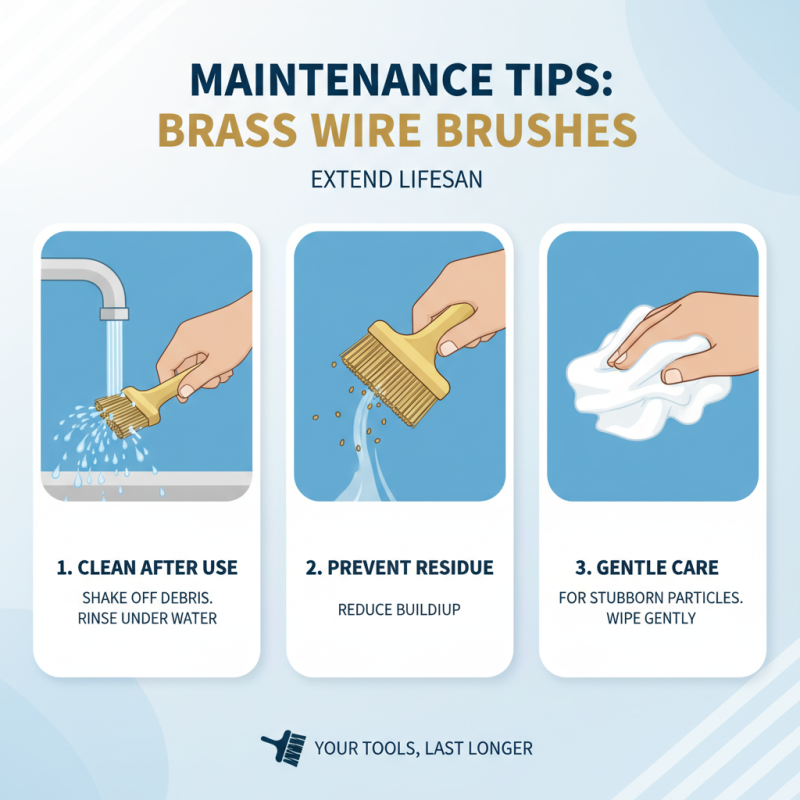
Brass wire brushes are essential tools for cleaning and maintenance. To extend their lifespan, proper care and maintenance are crucial. After each use, ensure you clean the brush. Shake off debris and rinse it under running water. This helps prevent residue buildup. For stubborn particles, use a soft cloth to wipe the bristles gently.
Store your brass wire brushes in a dry place. Moisture can lead to rust, even on brass. Consider hanging them up or placing them in a toolbox with minimal exposure to the elements. Inspect the bristles regularly for wear. If they become bent or frayed, it may be time for a replacement. Remember, neglecting maintenance can shorten the life of your brushes significantly.
Another tip is to avoid excessive pressure while using the brushes. This can quickly wear them out. Instead, apply even, gentle pressure. It may take longer, but the results will be worthwhile. Each brush has its limitations, so knowing when to retire a brush is essential. Choosing the right type of brush for the job also makes a difference. Selecting a brush that matches the task can save you time and effort.
Safety Precautions When Using Brass Wire Brushes for Cleaning
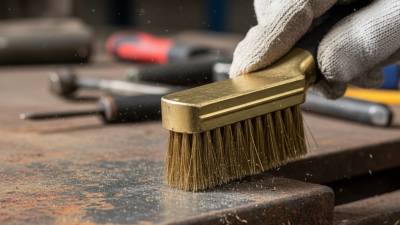
When using brass wire brushes, safety is crucial. Always wear protective goggles. The bristles can break, sending tiny shards flying. A mask can help prevent inhaling dust. Gloves are also important to protect your hands from injuries and abrasive materials.
Ensure your work area is clean and uncluttered. This minimizes the risk of accidents. Always inspect the brush before use. Look for any worn or loose bristles. If you notice any damage, do not use it. Cleaning is effective, but safety must come first. Be cautious around delicate surfaces.
Brass brushes can scratch certain materials, so test on a small area first. Avoid applying too much pressure; you may damage the surface you are cleaning.
Take breaks during long cleaning sessions. Fatigue can lead to mistakes. If you’re using the brush in a confined space, ensure proper ventilation. Dust and debris can accumulate quickly.
Disposing of waste properly is also important. Use a dustpan or vacuum instead of sweeping. It’s simple, but often overlooked. Staying mindful of these details ensures safer and more effective cleaning.