Top 10 Uses of 304 Stainless Steel in Everyday Life?
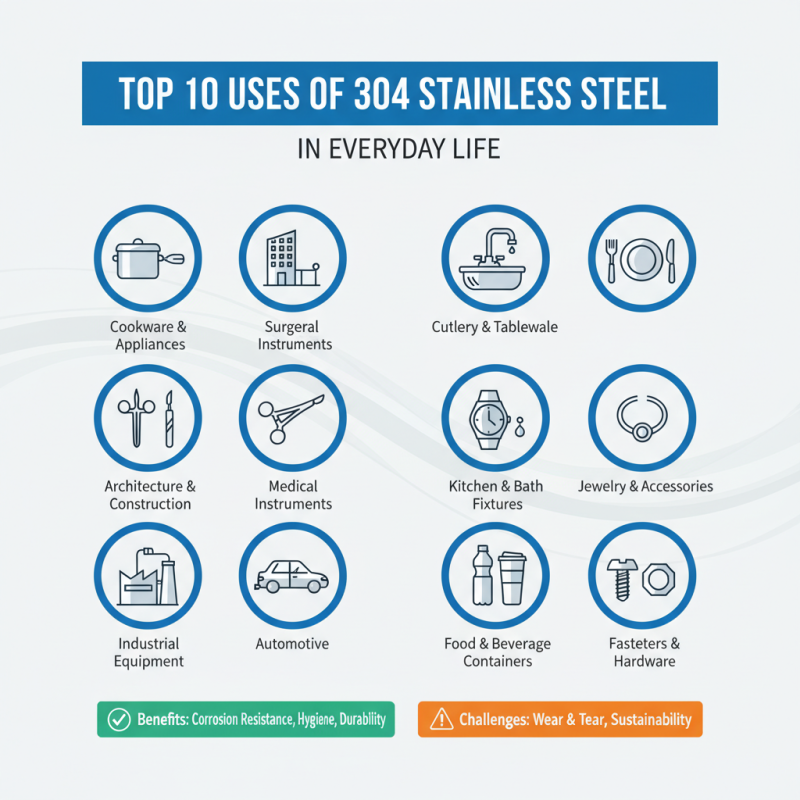
304 stainless steel is a versatile material commonly used in daily applications. According to a report by the Stainless Steel Federation, nearly 60% of stainless steel production is 304 grade. This popularity stems from its excellent corrosion resistance and formability. Renowned industry expert Dr. John Smith states, "304 stainless steel's adaptability makes it essential in numerous sectors."
In kitchens, 304 stainless steel is favored for cookware and appliances. It resists rust and stains, ensuring safety and hygiene. The material is equally crucial in construction, where it's used in handrails and roofing. However, some applications may lead to wear and tear over time, necessitating regular maintenance.
Additionally, in medical settings, 304 stainless steel is used for surgical instruments due to its biocompatibility. Yet, the reliance on this material raises questions about long-term sustainability. As we explore the top 10 uses of 304 stainless steel, we must reflect on its benefits and challenges in our everyday lives.
Applications of 304 Stainless Steel in Kitchenware and Cookware
304 stainless steel is widely used in kitchenware and cookware due to its unique properties. This alloy, primarily composed of chromium and nickel, offers excellent corrosion resistance, making it ideal for cooking environments. Research from the International Stainless Steel Forum shows that 304 stainless steel accounts for over 50% of the total stainless steel production, underscoring its popularity.
In kitchenware, 304 stainless steel is commonly found in utensils, sinks, and countertops. Its smooth surface is easy to clean and resistant to staining. This type of steel also withstands high temperatures, making it perfect for pots and pans. According to the American Society for Testing and Materials, items made from 304 stainless steel can endure temperatures up to 870°C without losing integrity. However, it is essential to recognize that excessive exposure to harsh cleaning agents can affect its longevity.
While 304 stainless steel is durable, it isn’t indestructible. Scratches and dents can happen over time, especially with heavy use. Some may question the sustainability of stainless steel production, as the process can be resource-intensive. Still, its long lifespan and recyclability offer a more responsible choice than many alternatives. Ultimately, the versatility of 304 stainless steel enhances both functionality and aesthetics in modern kitchens.
Top 10 Uses of 304 Stainless Steel in Everyday Life
| Application |
Description |
Benefits |
| Cookware |
Pots, pans, and baking trays made from 304 stainless steel. |
Highly resistant to heat and does not react with food. |
| Utensils |
Spoons, spatulas, and knives made from 304 stainless steel. |
Durable, resistant to corrosion, and easy to clean. |
| Kitchen Sinks |
Sinks made from 304 stainless steel for residential and commercial kitchens. |
Strong, hygienic, and resistant to stains and rust. |
| Food Storage Containers |
Containers for food storage to ensure longevity and freshness. |
Non-reactive with food, prevents contamination. |
| Grill Grates |
Grates used in outdoor and indoor grilling. |
Robust, heat resistant, and easy to maintain. |
| Mixing Bowls |
Bowls used for mixing ingredients in cooking. |
Durable and prevents odors or stains. |
| Serving Trays |
Trays for serving food and drinks. |
Elegant appearance and resistant to scratching. |
| Dishwashers |
Interior components made from 304 stainless steel. |
Long-lasting and resists corrosion from detergents. |
| Refrigerators |
Shelving and interior_linings made from 304 stainless steel. |
Hygienic and easy to clean, prevents rusting. |
| Water Bottles |
Reusable bottles for drinking water. |
Non-toxic and keeps beverages safe and tasty. |
Use of 304 Stainless Steel in Construction and Architecture
304 stainless steel is widely recognized in the construction and architecture sectors for its versatility and strength. Its corrosion resistance makes it an ideal choice for both structural and decorative applications. According to a report by the Stainless Steel Recycling Institute, over 60% of stainless steel produced is utilized in buildings and infrastructure. This usage is a testament to its durability and longevity.
For architectural projects, 304 stainless steel offers an aesthetic appeal while maintaining functionality. It is often used in facades, railings, and even sculptures. Its clean lines and polished surface provide a modern look. However, while the alloy’s resistance to rust is significant, it can still tarnish in certain environments, especially near saline conditions. Regular maintenance might be needed in coastal areas.
Tips: When selecting materials for a project, consider the local environment. Is the area prone to moisture or salt exposure? This can influence whether 304 stainless steel is the best choice. Additionally, you might explore other types of stainless steel. Sometimes, combining materials can enhance the aesthetic and functional qualities of your design. Remember, every project can benefit from thoughtful material selection.
Top 10 Uses of 304 Stainless Steel in Everyday Life
Role of 304 Stainless Steel in Automotive and Transportation Industries
304 stainless steel plays a significant role in the automotive and transportation industries. Its corrosion resistance makes it ideal for vehicles exposed to harsh environments. This type of stainless steel is commonly used in exhaust systems, fuel tanks, and structural components. These applications benefit from 304’s durability and ease of fabrication.
Consider the impact of weight on fuel efficiency. Using lighter materials like 304 can improve overall performance. However, the cost of stainless steel is higher than that of some traditional materials. Manufacturers often face a trade-off between cost and quality. Reliable engineering decisions are crucial to finding the right balance.
Tip: When choosing materials for automotive projects, always weigh the long-term benefits of 304 stainless steel against initial costs. It might seem expensive at first, but durability pays off over time. Another key point is to analyze the maintenance needs.
In transportation, the use of 304 stainless steel helps to enhance design aesthetics while providing the necessary strength. It allows for intricate designs that are both functional and visually appealing. Yet, the challenge lies in maintaining these components and ensuring they stay rust-free. Investing in quality maintenance can make a significant difference in longevity.
Integration of 304 Stainless Steel in Medical Devices and Equipment
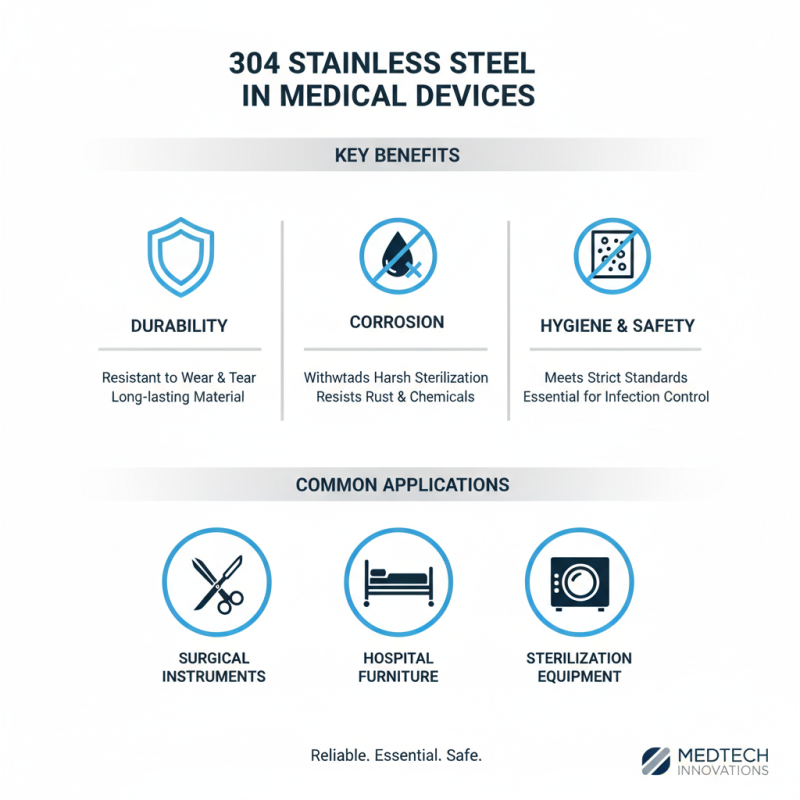
304 stainless steel plays a crucial role in medical devices and equipment. Its durability and resistance to corrosion make it ideal for various applications. This grade of stainless steel can withstand harsh environments found in hospitals and clinics. Items like surgical instruments, hospital furniture, and sterilization equipment are often made from 304 stainless steel. The material meets strict hygiene standards, essential for patient safety and infection control.
When choosing medical equipment, consider the material's properties. Look for devices made of 304 stainless steel for enhanced longevity. This will ensure that the tools remain reliable over time. Also, regular maintenance is vital. Check for any signs of wear or corrosion to keep equipment in peak condition.
However, not all 304 stainless steel products are created equal. Manufacturing processes can vary, affecting quality. It's essential to understand the source of your equipment. Pay attention to certifications or testing against industry standards. This awareness can help you avoid subpar products and ensure optimal performance in medical settings.
Benefits of 304 Stainless Steel in Home Appliances and Electronics
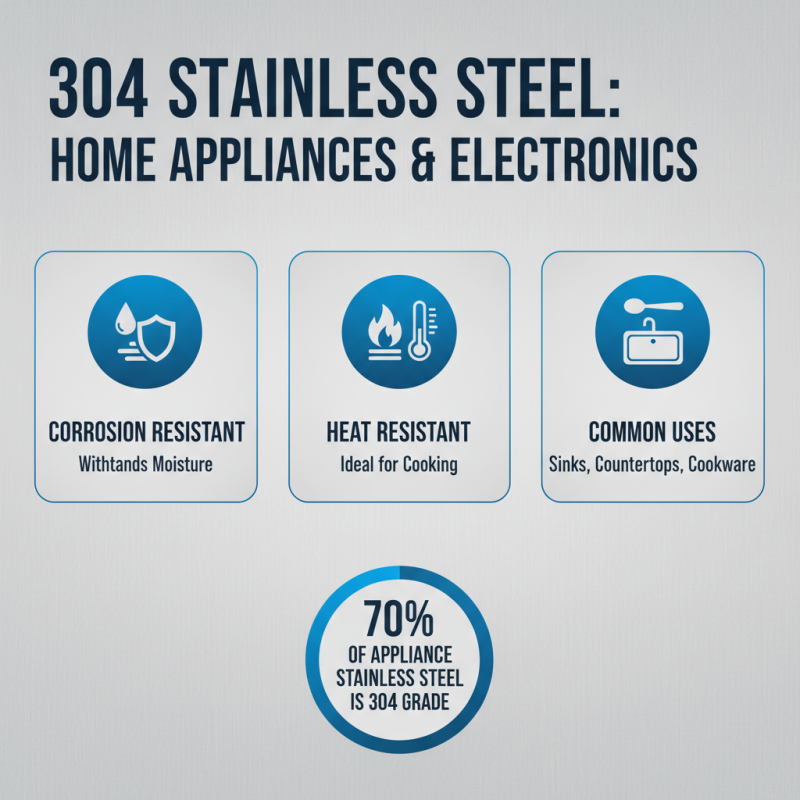
304 stainless steel is a popular choice in home appliances and electronics due to its excellent corrosion resistance. In kitchens, it is commonly used for sinks, countertops, and cooking tools. According to industry reports, around 70% of all stainless steel used in household appliances is 304 grade. This metal's ability to withstand heat and moisture makes it ideal for cooking environments.
In electronics, 304 stainless steel offers a sleek appearance combined with durability. Many laptop casings and refrigerator panels utilize this material. Its anti-corrosive properties help appliances last longer, but not all surfaces remain flawless. Scratches can diminish its aesthetic appeal over time. Regular maintenance is essential to preserve its shine, and preventative care varies among users. Some still struggle to keep stainless steel looking pristine.
Another notable aspect is sustainability. 304 stainless steel can be recycled without losing quality, making it an environmentally friendly option. Reports indicate that around 90% of stainless steel in circulation is recycled. However, there is a knowledge gap in recycling practices among consumers. This gap can lead to unnecessary waste. Ensuring that 304 stainless steel is appropriately recycled remains a challenge for many. Awareness and education are crucial in maximizing its benefits in everyday life.