Top 10 Tips for Choosing Modular Overhead Conveyors?
Choosing the right Modular Overhead Conveyors can significantly impact your operations. According to John Smith, a leading expert in conveyor systems, “Efficiency in conveying is key to enhancing productivity.” His words resonate deeply in today's manufacturing landscape.
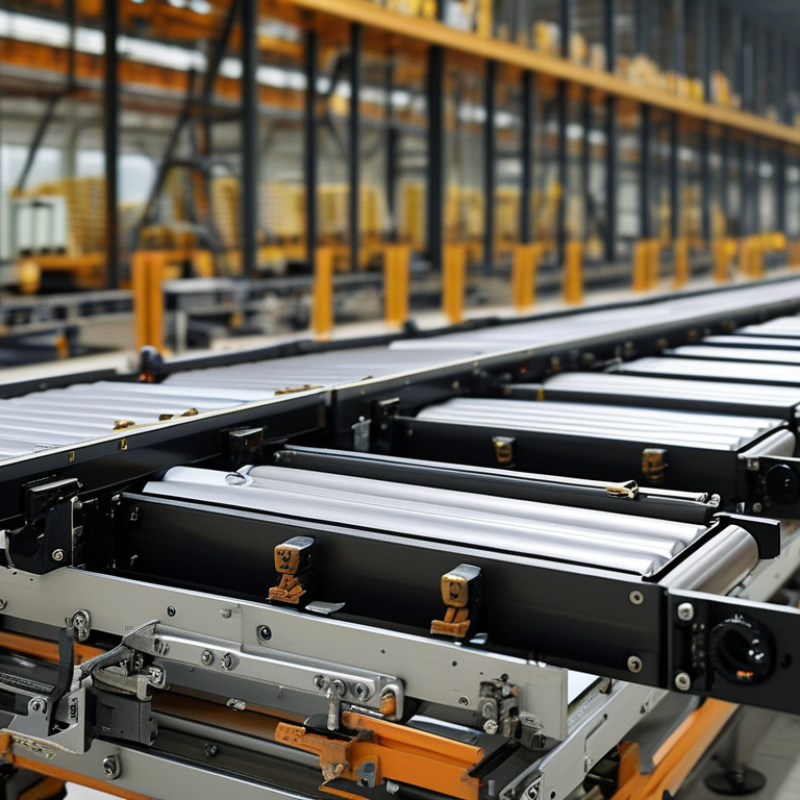
Modular Overhead Conveyors offer flexibility and efficiency, essential for modern workflow needs. These systems are highly adaptable, allowing for customization to fit specific processes. Each business has unique requirements, so understanding these needs is crucial. Poor choices can lead to inefficiencies.
A well-selected modular overhead conveyor can streamline operations, reducing bottlenecks. However, not every system is right for every application. Taking the time to assess features and specifications is essential. Striking the right balance can be challenging. Making an informed decision involves careful consideration and reflection on potential outcomes.
Understanding the Benefits of Modular Overhead Conveyors
Modular overhead conveyors are increasingly favored for their flexibility and efficiency. They adapt easily to various production layouts. This adaptability means they can be reconfigured or expanded without significant downtime. Companies can adjust workflows based on changing needs, which is crucial in today’s fast-paced environment.
Another key benefit is their ability to reduce labor costs. These systems transport materials automatically, minimizing the need for manual handling. As a result, workers can focus on more complex tasks. Enhanced safety is also a factor. Fewer manual movements reduce the risk of injuries, creating a safer workplace.
However, choosing the right system requires careful thought. Companies must consider space limitations and the types of materials being transported. It’s essential to evaluate the complexity of installation and maintenance. Potential challenges include alignment issues and parts wear over time. Understanding these factors can ensure that the investment in modular overhead conveyors pays off effectively.
Assessing Your Space and Weight Requirements for Conveyors
When considering modular overhead conveyors, assessing your space and weight requirements is crucial. According to a report by the Material Handling Industry of America, over 30% of companies underestimate their spatial needs when implementing new systems. Proper assessment can prevent costly adjustments down the line.
Understanding your available space helps determine conveyor layout and efficiency. If the ceiling height is restricted, consider low-profile modular conveyors. These can adapt to smaller spaces while still meeting operational needs. Moreover, consulting with professionals can provide insights into optimal configurations for your specific situation.
Weight requirements also play a significant role. Overloading a conveyor can lead to system failures. It's recommended to calculate the maximum load per conveyor segment accurately. Industry standards suggest a buffer of at least 15% over the expected load. For tips, it's wise to start by evaluating the heaviest items you transport. Then, consider implementing adjustable speed settings to enhance versatility. Misjudging weight capacity can lead to wasted resources and frequent repairs. Being mindful of these factors will ensure your conveyor system meets operational demands effectively.
Evaluating Conveyor Speed and Efficiency for Your Operations
When evaluating conveyor speed and efficiency, your choice of modular overhead conveyors can significantly impact operations. It’s crucial to consider how speed aligns with your workflow. A slower conveyor might seem less efficient, but it can enhance precision during product handling, reducing errors.
One important tip is to analyze the specific needs of your operation. If your process requires high-speed transportation, the conveyor system must support it without compromising quality. Conversely, if you handle delicate items, slower speeds might be beneficial. Sometimes, finding a balance is necessary.
Another key aspect is monitoring energy consumption. If speed is prioritized, check how it affects overall efficiency. Many systems can be optimized to reduce energy use while maintaining adequate speed. Assessing the cost versus output can reveal unexpected insights. It helps determine if investing in faster alternatives is worth it. Understanding these factors will empower you to make an informed decision about overhead conveyor systems.
Exploring Flexibility and Scalability in Modular Conveyor Systems
When considering modular overhead conveyors, flexibility and scalability become paramount. Modular systems can adjust to various layouts, accommodating changes in production needs seamlessly. According to a recent industry report, modular conveyor systems can increase operational efficiency by up to 30%. This adaptability allows businesses to invest in solutions that grow alongside their operations.
One crucial tip is to assess your specific needs. Are you facing an increase in production volume? Modular systems can be easily expanded as required. Additionally, consider the ease of installation and reconfiguration. The quicker a new system is operational, the faster you can adapt to market demands. Research suggests that many companies overlook the importance of employee training on these systems. Well-trained staff can make the best use of flexibility features.
Also, evaluate the total cost of ownership. While initial investments can be higher, the long-term savings often outweigh these costs. Analyze your workflow, as inefficient systems can negate the benefits of modular setups. A truly flexible system allows for real-time adjustments, ensuring you stay competitive. As you explore modular options, focus on how they will scale with your evolving business challenges.
Comparing Costs and Maintenance Needs of Different Conveyor Types
When considering modular overhead conveyors, understanding the costs and maintenance needs is crucial. Research indicates that modular systems typically reduce operational costs by 20% compared to traditional conveyors. This is largely due to their efficient design, allowing for quicker installation and fewer maintenance interventions.
A study from the Conveyor Equipment Manufacturers Association (CEMA) highlights that modular conveyors require about 30% less maintenance than non-modular systems. This lower maintenance frequency can significantly improve overall productivity. The ability to easily replace individual components further enhances reliability. However, some companies report challenges with the adaptability of modular systems in complex environments.
Regular inspections can prevent costly breakdowns, but not all facilities prioritize this. Investing in training for staff on maintenance routines is essential. Many organizations find that ignoring this step leads to unexpected downtimes. In summary, while the benefits of reduced costs and maintenance are clear, companies must also be cautious about the implementation and ongoing care of these systems.