When it comes to construction projects, choosing the right materials is crucial. One of the most versatile and essential materials is steel mesh. It offers strength, durability, and flexibility for various applications. From concrete reinforcement to fencing, steel mesh enhances the structural integrity of your projects.
There are many types of steel mesh available, each with unique properties. Understanding these differences is essential. You might feel overwhelmed by the options. However, this guide aims to simplify your choices. We will explore the top 10 steel mesh types that are worth considering. By examining their benefits and applications, you can make informed decisions.
Steel mesh is not just about strength; it's also about the right fit for your project needs. Choosing the wrong type can lead to structural issues. Each type has its pros and cons, and it’s critical to reflect on these aspects. In the end, the right steel mesh is key to a successful project.
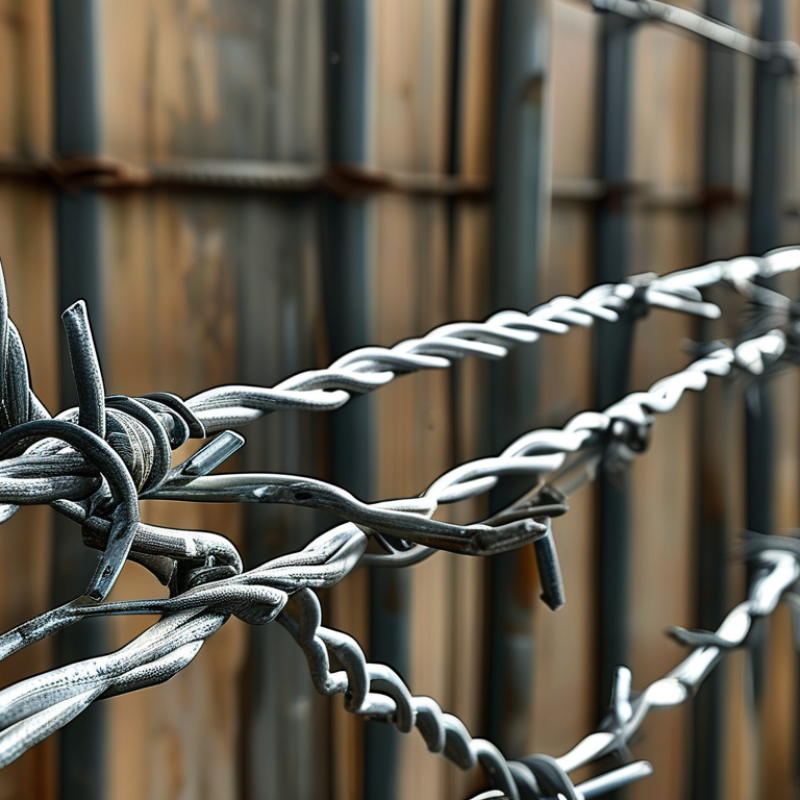
When planning construction projects, choosing the right type of steel mesh is crucial. Various types are available, each designed for specific applications. For instance, welded wire mesh is popular for reinforcing concrete slabs. This type provides strong support and enhances durability. It’s essential to select the mesh based on the load it will bear.
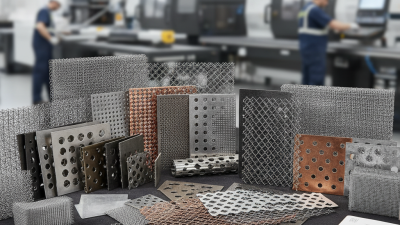
Another option is expanded metal mesh, which offers great flexibility. It’s lightweight yet strong, making it ideal for walkways and security applications. Differences in the thickness and spacing of the wires can greatly impact its strength. This variation is something that requires careful consideration.
Before making a decision, consider the environmental conditions. Some meshes perform better in corrosion-prone areas. Do thorough research to match the mesh type with project requirements. Often, overlooked details can lead to unexpected challenges. Choosing the right one can be the difference between a strong foundation and costly repairs down the line.
This chart illustrates the durability scores of various types of steel mesh used in construction projects. Each type is rated on a scale from 1 to 10, with 10 being the most durable.
When selecting steel mesh for construction, understanding its benefits is crucial. Each type serves specific needs. For instance, welded wire mesh offers strength and versatility. It is often used for slabs, driveways, and walls. You can rely on its durability for heavy loads. On the flip side, its rigidity can pose installation challenges. Adjustments during fitting require care.
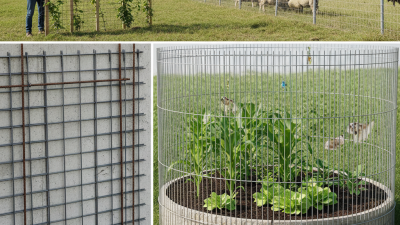
Hexagonal wire mesh, commonly used for fencing, provides flexibility and effective containment for pets or livestock. Its easy installation is appealing, yet it may not withstand high impact like other types. Consider your project’s requirements before deciding.
Another option is reinforcement mesh, which enhances concrete structures. This type reduces cracking and improves lifespan. However, it can be more expensive than basic varieties. You need to weigh costs against long-term benefits. Each type of mesh has attributes worth investigating. Making informed choices can elevate your project’s quality.
When selecting steel mesh for construction projects, several key characteristics should guide your choice. The tensile strength of the mesh is crucial. According to industry data, higher tensile strength provides better load-bearing capacity. For instance, mesh with 500 MPa tensile strength is often recommended for structural applications. Equally important is the mesh size. The gap between the wires affects the distribution of load and concrete fill. A smaller mesh size can enhance stability but may increase the cost.
Durability is another factor not to overlook. Steel mesh must resist corrosion and environmental factors. Stainless steel options are available, but they are priced higher. Depending on the project’s location, considering galvanized mesh might be cost-effective. It's essential to remember that while cost is a factor, it shouldn't compromise the project’s integrity.
Furthermore, understanding the specific application is vital. For example, mesh used in slabs may differ from that in precast elements. The International Federation for Structural Concrete suggests tailoring mesh to the specific application needs. Projects often face complications when generic mesh types are used. Thus, considering these details ensures safety and longevity in your construction endeavors.
When selecting steel mesh types for projects, it's crucial to understand their applications. Welded wire mesh is popular in concrete reinforcement. It provides structural integrity, ensuring long-lasting durability. This type is ideal for sidewalks, patios, and industrial floors. The uniform design helps distribute loads evenly, reducing the risk of cracking.
Another commonly used type is expanded metal mesh. It's often employed in fencing and security applications. The open design offers visibility while maintaining strength. It's useful for partitions in commercial spaces, providing both safety and aesthetics. However, its rigidity may pose challenges in some custom designs.
Galvanized steel mesh, coated for corrosion resistance, finds applications in agricultural settings. Farmers use it for fencing livestock or creating enclosures. While it's effective, the coating may wear over time. This requires periodic inspections to ensure ongoing reliability. Selecting the right mesh type can significantly impact the project's success. Balancing functionality and design is key.
| Mesh Type | Description | Applications | Material |
|---|---|---|---|
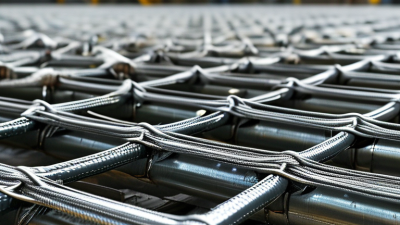
| Welded Wire Mesh | A grid structure made by welding wires together at intersections. | Reinforcement in concrete, fencing, and flooring. | Carbon Steel |
| Expanded Metal Mesh | Metal sheets with slits pressed to create a mesh effect. | Walkways, safety barriers, and decorative purposes. | Steel or Aluminum |
| Gabion Mesh | Wire mesh baskets filled with rocks or soil. | Retaining walls, erosion control, and slope stabilization. | Galvanized Steel |
| Chain Link Fence | Interlocking steel wire that forms a diamond pattern. | Fencing residential, commercial, and industrial properties. | Steel |
| Stainless Steel Mesh | Corrosion-resistant mesh suitable for various environments. | Food processing, chemical industries, and architectural applications. | Stainless Steel |
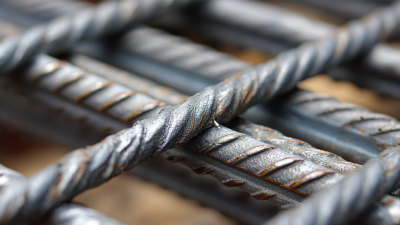
| Ribbed Mesh | Mesh with raised ribs for improved strength. | Concrete reinforcement and heavy-duty flooring. | Carbon Steel |
| Square Wire Mesh | Uniform square openings for various applications. | Partitioning, sieving, and protective barriers. | Steel, Aluminum |
| Hexagonal Wire Mesh | Wire woven to form a hexagon pattern. | Chicken coops, fencing, and garden use. | Steel, Galvanized Steel |
| Crimped Wire Mesh | Wire that is crimped to form wavy patterns. | Industrial filters, screen enclosures, and separation. | Steel |
| Wire Netting | Flexible mesh used for various protective applications. | Animal enclosures, safety guards, and lightweight applications. | Steel, Aluminum |
Steel mesh plays a critical role in construction, providing strength and stability to structures. When considering its maintenance, it's important to note that regular inspections can extend its lifespan significantly. According to a recent industry report, steel mesh can last 20 to 30 years under proper care, but neglect can lead to corrosion and reduced durability.
To ensure optimal performance, the environment surrounding the steel mesh must be considered. High humidity and exposure to chemicals can accelerate wear. It's estimated that nearly 30% of structural failures in concrete are linked to inadequate maintenance of reinforcement mesh. Thus, proactive measures like applying protective coatings can greatly enhance longevity and reduce overall costs.
The installation process also impacts maintenance needs. Improper installation may lead to issues such as misalignment or uneven stress distribution. Should these factors arise, they can undermine the reliability of the entire structure. Training for workers on best practices in steel mesh applications is essential. By addressing these challenges, we can improve project outcomes and enhance the durability of our built environment.