What is Steel Rope and Its Applications in Various Industries?
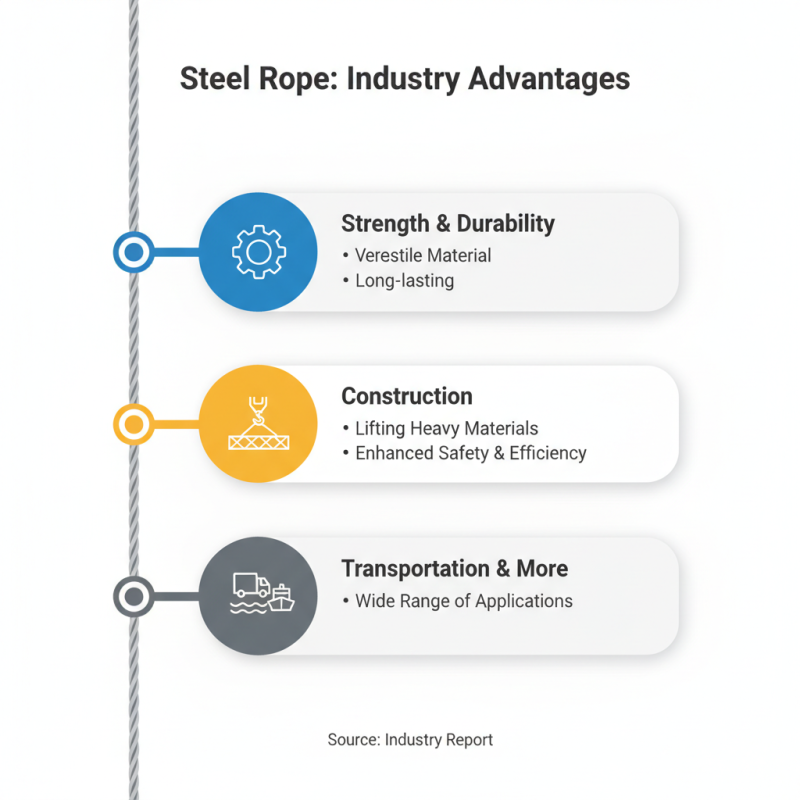
Steel rope, an essential material in modern engineering, plays a vital role across various industries. This durable and strong product consists of multiple strands of steel wire twisted together, forming a robust line that can bear heavy weights. Its unique properties, including high tensile strength and resilience, make it ideal for lifting, hauling, and securing loads.
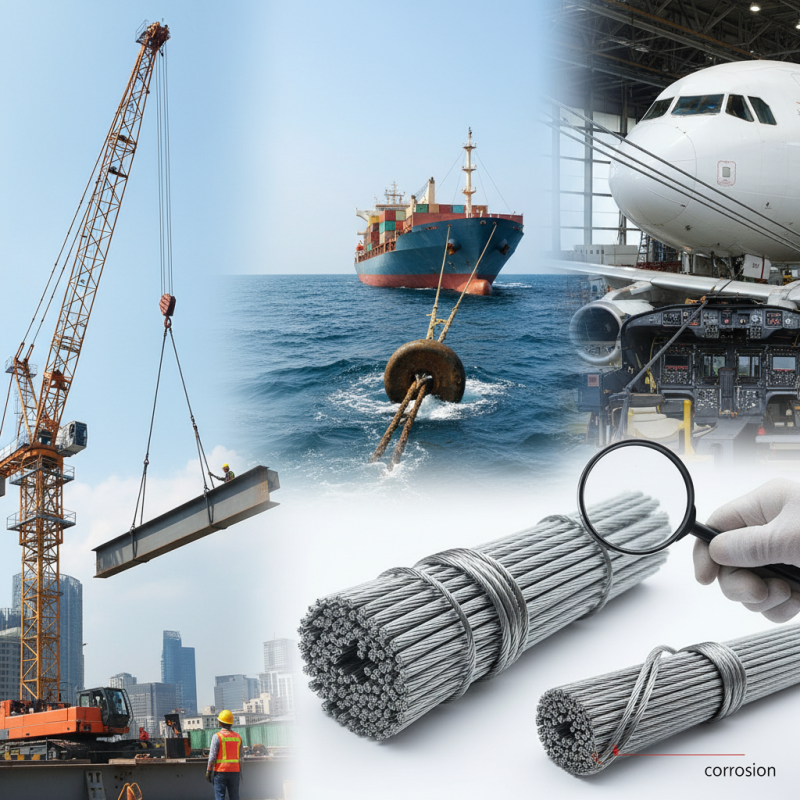
In the construction sector, steel rope is used in cranes and hoisting systems. Its reliability ensures that heavy materials are safely lifted and placed. In marine applications, it serves as mooring lines and rigging, providing stability and security at sea. The automotive and aerospace industries also utilize steel rope for a variety of functions, such as safety systems and support structures.
While steel rope offers many benefits, there are challenges to consider. Corrosion can weaken the rope over time if not properly maintained. Regular inspections and maintenance are crucial to ensure durability. Understanding these aspects is key for industries that rely on steel rope.
What is Steel Rope? Definition and Composition
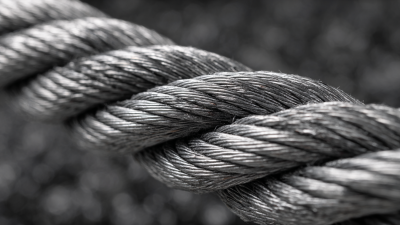
Steel rope, often referred to as wire rope, consists of multiple strands of steel wire twisted together. This combination creates a strong, flexible, and durable product.
Steel ropes are widely recognized for their robustness and are commonly utilized in various industries, such as construction, mining, and offshore operations.
The composition usually includes high-carbon steel, which provides excellent tensile strength.
This steel product’s structure allows it to
withstand heavy loads, making it suitable for lifting, towing, and supporting structures.
For example, in construction, steel ropes are essential in cranes and elevators. They ensure
safety and efficiency, which are paramount in such high-stakes environments.
Tip: When working with steel ropes, ensure they are properly maintained. Regular inspections can prevent failures that might lead to accidents.
Furthermore, understanding the intended application is critical. Using the wrong type of steel rope may compromise
safety and efficiency.
Certain ropes are designed for specific environments, like underwater or elevated temperatures.
Tip: Always consult with professionals when selecting steel rope. Their expertise can guide you to make the right choice for your project.
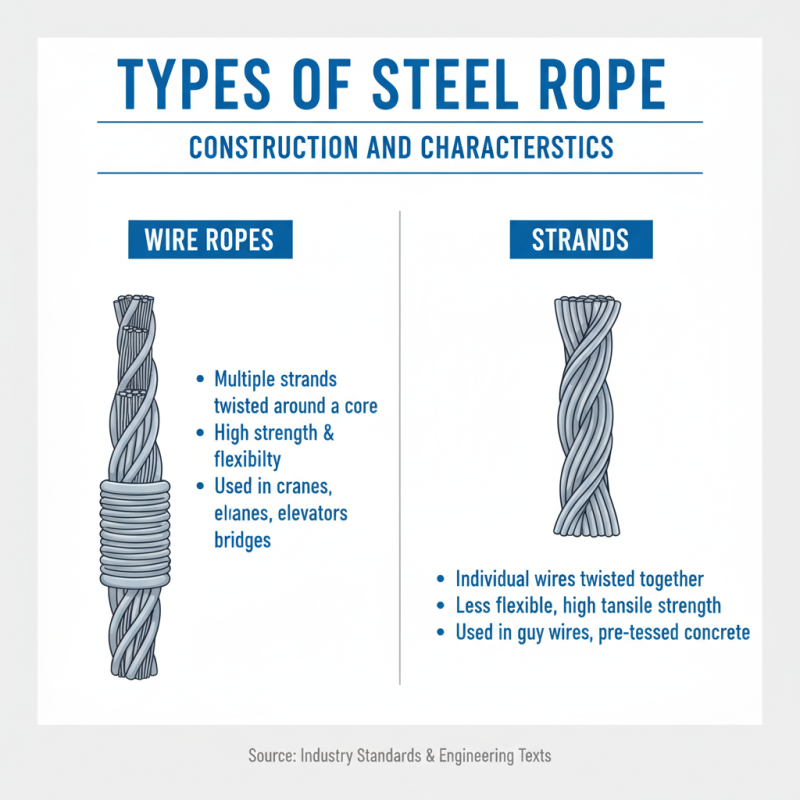
Types of Steel Rope: Construction and Characteristics
Steel rope, known for its strength and durability, is essential in various industries. Understanding the types of steel rope can enhance its effective application. Steel ropes are typically classified into two major categories: wire ropes and strands. Wire ropes consist of multiple strands, while strands are individual wires that may be twisted together.
Wire ropes are versatile. They offer high tensile strength and resistance to abrasion. According to a 2021 industry report by the International Wire and Rope Association, the demand for wire ropes in construction is projected to grow by 5% annually. This indicates a robust market, focused on enhancing safety and efficiency in lifting operations.
Stranded cables boast flexibility and lightweight characteristics. They find applications in marine, mining, and transportation sectors. These ropes are essential for mooring vessels, hauling materials, and supporting structures. However, they can be prone to wear if not properly maintained.
Tips: Regular inspections are crucial. Check for fraying or corrosion. Ensure that steel ropes are used within their rated load limits. This proactive approach can prevent catastrophic failures. Always refer to manufacturer specifications for optimal performance.
Common Applications of Steel Rope in Construction and Engineering
Steel rope, known for its strength and durability, plays a crucial role in construction and engineering. One common application is in lifting operations. Cranes often rely on steel ropes to hoist heavy materials. These ropes are designed to withstand massive loads, ensuring safety at construction sites. However, wear and tear can occur over time. Regular inspections are essential to prevent failures.
Another application is in suspension bridges. Steel ropes are used in suspension systems to support the bridge deck. They are tensioned to provide stability and strength. Yet, environmental factors can affect their integrity. Corrosion from moisture can weaken the ropes. Proper maintenance and protective coatings are vital to prolong their lifespan.
In mining, steel ropes are fundamental for underground lifting systems. They transport materials and workers efficiently. Despite their robustness, human error can lead to accidents. Training and safety protocols help minimize risks. Overall, steel ropes are indispensable in many industries, highlighting the need for continued vigilance in their application.
What is Steel Rope and Its Applications in Various Industries?
| Application Area |
Common Uses |
Benefits |
| Construction |
Lifting and securing heavy loads |
High strength, corrosion resistance |
| Mining |
Hoisting equipment and transporting materials |
Durability under extreme conditions |
| Marine |
Used in ship mooring and towing |
Resistance to saltwater corrosion |
| Automotive |
Used in hoisting and balancing mechanisms |
Lightweight yet strong |
| Telecommunications |
Suspension and support for antennas |
High tensile strength |
Industrial Uses of Steel Rope in Mining and Oil & Gas Sectors
Steel rope, often referred to as wire rope, plays a critical role in multiple industries. In the mining sector, it is essential for lifting heavy materials from great depths. The durability of steel rope allows it to withstand harsh conditions and heavy loads. It is frequently used in hoists, lifts, and conveyors. Despite its strength, improper maintenance can lead to wire fatigue and failure, which can pose serious safety risks.
In the oil and gas industry, steel rope is vital for drilling operations. It is used for various tasks, like cable tool drilling and supporting equipment. The immense pull strength of steel rope makes it effective for lifting and lowering heavy tools. However, while its performance is largely reliable, unexpected wear can occur, affecting efficiency. Routine inspections are crucial to avoid incidents and ensure operational safety. Both sectors must prioritize proper handling and regular maintenance to fully leverage the benefits of steel rope.
Applications of Steel Rope in Different Industries