Are Prefab Container Houses the Future of Sustainable Living?
In recent years, the concept of the Prefab Container House has gained significant attention. These innovative structures present a unique solution to the growing housing crisis and environmental challenges. Prefab Container Houses offer a sustainable alternative to traditional homes, as they utilize repurposed shipping containers. This approach not only reduces waste but also minimizes construction time and costs.
However, the rise of Prefab Container Houses is not without its criticisms. Some argue that they lack aesthetic appeal and may have limitations in space and comfort. Yet, many have embraced this modular living concept, highlighting its affordability and adaptability. Urban areas, in particular, see their potential as solutions to housing shortages.
As we explore the future of sustainable living, we must reflect on the challenges and prospects of Prefab Container Houses. Are they truly a viable option for everyone? The answer may require a deeper consideration of what sustainable living really entails.
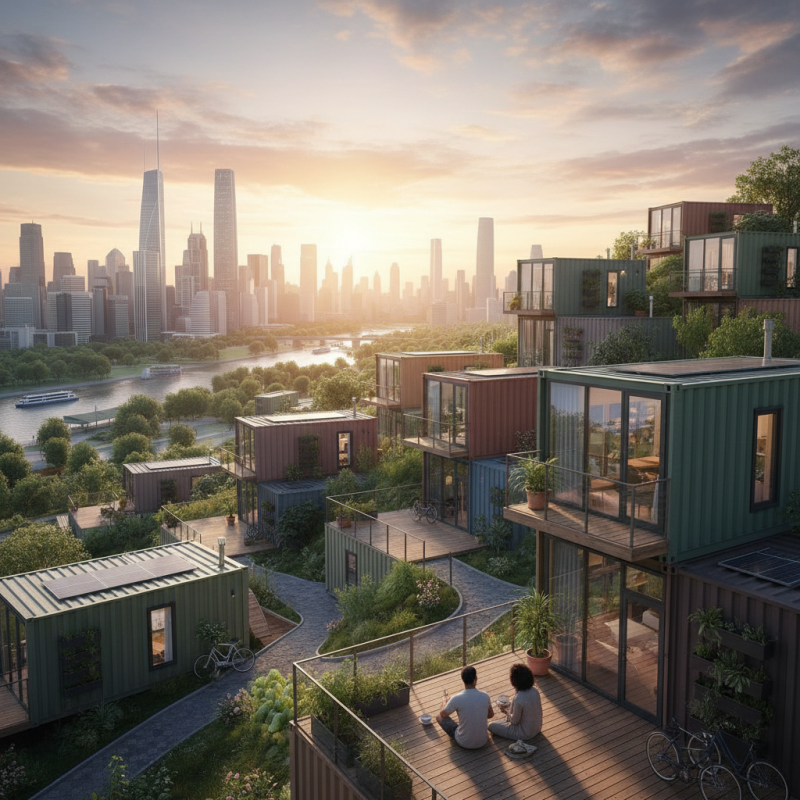
Overview of Prefab Container Houses
Prefab container houses are gaining popularity in the sustainable living sector. These homes offer an innovative solution for housing shortages and environmental impact. According to a recent report by the World Economic Forum, constructing with recycled materials can reduce carbon emissions by up to 80%. This statistic highlights the environmental benefits of using shipping containers for housing.
Container homes are often cheaper to build. The average cost per square foot can be around $100, which is significantly lower than traditional housing options. However, they come with challenges. Not all containers are well insulated, which can lead to increased energy costs. This issue needs careful planning to ensure comfort. Furthermore, zoning regulations can be a hurdle. Some areas have strict building codes that can delay projects.
The popularity of these houses reflects a growing trend toward minimalism and eco-conscious living. A study by the National Association of Realtors noted that 34% of home buyers are looking for sustainability features. While prefab container houses offer a viable solution, there are concerns about resale value and market acceptance. Many customers are still hesitant. As the demand for sustainable living grows, these homes may need further innovation to overcome existing barriers.
Benefits of Using Prefab Containers for Sustainable Living
Prefab container houses are gaining attention for sustainable living. They offer innovative solutions to housing shortages. According to a report by the World Economic Forum, these structures can reduce construction waste by up to 90%. This significant reduction aligns with eco-friendly practices.
Using prefab containers can also lower energy consumption. The International Energy Agency states that modular constructions can utilize less energy than traditional homes. They are designed for efficiency and can be equipped with renewable energy sources. This versatility is appealing to environmentally-conscious buyers.
Despite the clear advantages, challenges remain. Not all regions accept container homes due to zoning regulations. Some people still associate containers with temporary solutions. The perception needs to shift to embrace these structures as permanent options. As society evolves, so must our understanding of sustainable living. These homes could play a vital role in reshaping the future.
Environmental Impact of Container House Construction
Prefab container houses are gaining attention for their potential in sustainable living. They are made from recycled shipping containers, which reduces waste. This concept helps address the housing crisis while being eco-friendly. Container homes can be energy-efficient, incorporating solar panels and efficient insulation. These features lower utility bills and environmental footprints.
However, there are drawbacks. Not all container homes are designed with sustainability in mind. Many still require significant energy for heating and cooling. The process of modifying containers can also lead to waste. Additionally, the location choice plays a huge role. Urban areas may have strict zoning laws that complicate construction.
Ultimately, prefab container houses present both opportunities and challenges. Sustainable living is not just about materials; it’s about mindset. Thoughtful design and planning are key. There's a need for ongoing reflection on the real impact of these homes. As interest grows, so must the commitment to true sustainability.
Environmental Impact of Prefab Container Houses
Challenges and Limitations of Prefab Container Homes
Prefab container homes have gained traction as a sustainable living option. However, they come with specific challenges and limitations. One significant concern is insulation. Many containers lack proper thermal insulation, leading to discomfort in extreme weather. A study from the National Association of Home Builders shows that energy efficiency is a primary driver in home-building decisions. Poor insulation can increase heating and cooling costs by up to 30%.
Another challenge is the structural integrity of such houses. Containers are designed for transport, not for residential living. Modifications can weaken their structure. A report by the Container Housing Institute indicates that nearly 20% of prefab container homes face issues related to stability and durability after modifications. Ensuring these homes meet safety standards can be costly.
Tips for potential buyers: Always check insulation quality before purchasing. Look for additional features, like energy-efficient windows. Consider hiring experts who specialize in container modifications. Be aware that local regulations may affect your ability to choose prefab options. Each project comes with unique hurdles, and careful planning is essential.
Future Trends in Sustainable Housing Solutions
Prefab container houses are gaining traction in sustainable housing solutions. According to a report by the World Green Building Council, construction accounts for around 39% of global carbon emissions. This statistic highlights the urgent need for innovative designs like prefab homes. These structures can be built off-site, reducing waste and time by up to 50% compared to traditional homes. However, questions about their durability and long-term impact on community aesthetics remain.
In 2022, the market for modular homes grew by 25%. This surge reflects an increasing demand for eco-friendly living spaces. Container homes use recycled materials, which cuts down on waste. Yet, not all designs are energy efficient. Some prototypes have shown insulation challenges, which can lead to higher energy costs. The transition to sustainable living requires constant improvements in design and efficiency.
As urban areas expand, prefab houses present unique opportunities. A study from MIT suggested that urban prefab homes can lower living costs significantly. However, achieving this goal depends on policymakers supporting sustainable practices. The journey toward a fully sustainable future isn't straightforward. Despite positive trends, ongoing research and accountability are essential. Each prefab house project must be evaluated to ensure it meets sustainability standards.
Are Prefab Container Houses the Future of Sustainable Living? - Future Trends in Sustainable Housing Solutions
| Feature | Traditional Houses | Prefab Container Houses |
| Construction Time | 6-12 months | 2-6 months |
| Cost | $200,000 - $500,000 | $50,000 - $150,000 |
| Energy Efficiency | Moderate | High |
| Waste Produced | High | Low |
| Flexibility in Design | Limited | High |
| Sustainability | Low | High |