Metal Mesh Tips for Finding the Best Suppliers Globally?
Metal mesh plays a crucial role across various industries, including construction, aerospace, and automotive. According to the Global Metal Mesh Market Analysis, the industry is projected to reach $3.5 billion by 2025, driven by increased demand for lightweight materials. The diversity in applications highlights the importance of selecting reliable suppliers.
However, not every supplier can meet the stringent quality standards required. A significant challenge lies in identifying firms with a proven track record in producing high-grade metal mesh. Reports indicate that 40% of suppliers fail regarding quality assurance protocols. This data emphasizes the necessity for thorough supplier evaluations and investigations.
In today's global market, geographical barriers can complicate supplier selection. Relying on local suppliers alone may limit options. Engaging with international manufacturers can open doors to better pricing and superior technology. Yet, it’s essential to vet these suppliers to avoid potential pitfalls. Trusting the wrong supplier can lead to costly mistakes. Thus, conducting due diligence is key in securing reliable metal mesh products.
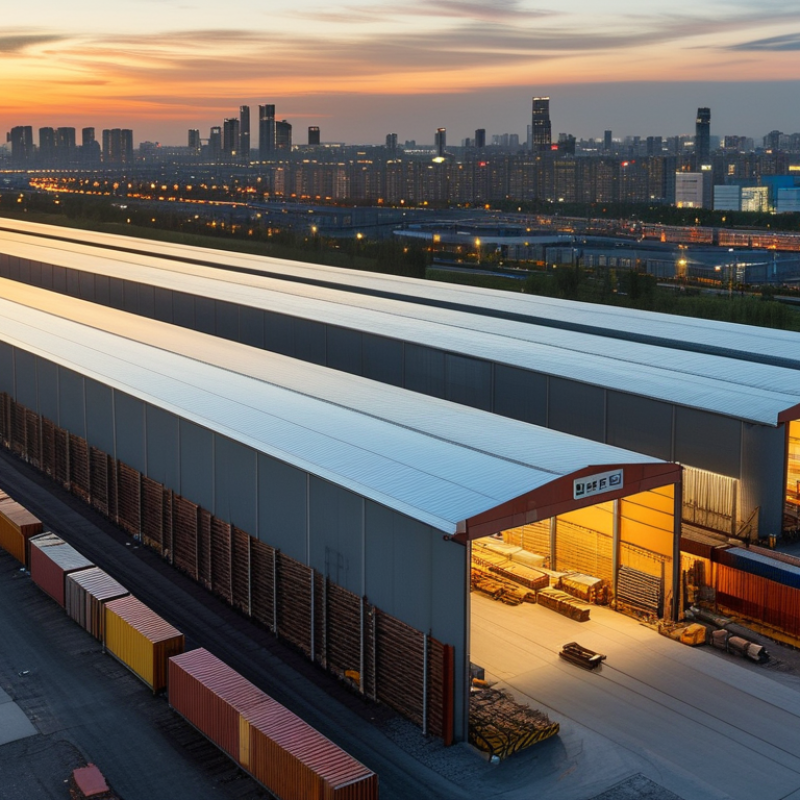
Understanding the Global Metal Mesh Market Dynamics and Trends
The global metal mesh market is evolving. Increasing demand for high-performance materials spurs innovation. This shift is seen across various industries, from construction to telecommunications. As companies seek lightweight yet durable options, the need for reliable suppliers has never been greater.
Understanding market dynamics helps in identifying potential suppliers. Factors such as quality control, production capacity, and geographic location play essential roles. Companies also face the challenge of fluctuating raw material prices. Transparency from suppliers can enhance trust, yet many still lack clarity in their processes.
Trends indicate a growing focus on sustainability. More suppliers are adopting eco-friendly practices. This shift aligns with global regulatory changes and consumer preferences. However, not all suppliers prioritize these practices. Companies must be vigilant in their selection processes to avoid potential pitfalls.
Key Characteristics of Quality Metal Mesh Products and Their Applications
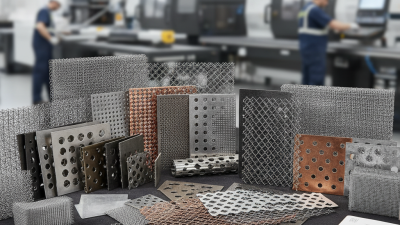
When sourcing quality metal mesh products, it's essential to understand their key characteristics. Metal mesh is widely used in various applications such as filtration, reinforcement, and architectural design. A report by MarketsandMarkets indicates that the global metal mesh market is projected to grow at a compound annual growth rate (CAGR) of 5.2% from 2022 to 2027, driven by rising demand in multiple sectors.
Quality metal mesh products should boast durability, corrosion resistance, and versatility. These characteristics ensure that they can withstand harsh environments and serve multiple purposes. For example, stainless steel is often preferred for its high resistance to rust and staining. A study from Smithers Pira highlights that 70% of metal mesh users prioritize longevity and strength in their materials. However, not all suppliers provide the same level of quality, so assessing these traits is crucial.
Industrial standards such as ISO 9001 offer guidelines for quality assurance in manufacturing processes. It is vital to scrutinize suppliers' certifications and production methods. Many companies lack transparency, leading to varying product quality. Conducting thorough supplier evaluations and seeking out independent testing can address these concerns. Understanding the specific applications for your needs will help refine your search for high-quality metal mesh products.
Top Regions for Sourcing Metal Mesh: A Comparative Analysis
When sourcing metal mesh, it's essential to consider various regions known for their supply capabilities. Asia, particularly countries like China and India, has established itself as a hub for metal mesh production. The advantage here stems from the availability of raw materials and labor. However, quality control remains a challenge. Ensuring that suppliers adhere to high standards is crucial for long-term success.
In Europe, regions such as Germany and Italy offer premium-quality metal mesh products. European manufacturers often emphasize craftsmanship and stringent regulatory compliance. Collaborating with these suppliers can yield benefits, but prices can be higher. It's important to weigh quality against cost. Evaluating partnerships based on reliability and innovation is vital to navigate this landscape effectively.
North America presents another option, particularly in the United States and Canada. Proximity to consumers can reduce shipping times. However, sourcing from this region often involves higher production costs. Companies must assess the trade-offs between quality, cost, and delivery time. It's clear that no single region offers a perfect solution. Each has its strengths and weaknesses, requiring thoughtful consideration in supplier selection.
Evaluating Supplier Credentials: Certifications and Manufacturing Standards
When looking for metal mesh suppliers globally, evaluating supplier credentials is crucial. Certifications act as a benchmark. They indicate the supplier's adherence to international standards. Aim for suppliers with ISO certifications. This shows they maintain quality control. Other certifications related to specific industries can also enhance trust.
Manufacturing standards often reflect a supplier’s expertise. Research their production processes. Are they equipped with modern technology? This can affect the quality of the mesh. For example, a supplier using outdated methods may struggle to meet customer specifications. Look for transparency in their practices. A reliable supplier should gladly provide details about their operations.
Be mindful of claims that seem too good to be true. Some suppliers may exaggerate their capabilities. Seek references or customer feedback where possible. Not all suppliers will have a flawless track record. Understanding their strengths and weaknesses can help prevent future issues. Consider conducting site visits if possible. This helps in making informed decisions.
Impact of Industry Standards on Supplier Selection for Metal Mesh Products
Selecting the right supplier for metal mesh products involves understanding industry standards. These standards define quality and performance metrics essential for ensuring durability and safety. Adhering to established specifications helps maintain product integrity. Suppliers who comply with these standards show their commitment to quality. This compliance can save businesses from costly errors in the long run.
When searching for suppliers, consider their certifications. Look for those that meet international standards, as this often signifies reliability. It's crucial to evaluate their manufacturing processes. Inquire about their quality control measures. Transparency in processes builds trust. Collecting feedback from previous clients can also provide insights into a supplier's performance.
Here are a few tips for finding the best suppliers. Attend industry trade shows to network and view products first-hand. Digital platforms can also facilitate comparisons among potential suppliers. Regularly review suppliers and their adherence to industry benchmarks. Continuous evaluation is key to maintaining quality in your supply chain. It’s easy to overlook red flags, so stay vigilant.
Metal Mesh Tips for Finding the Best Suppliers Globally
| Supplier Region |
Industry Standards |
Delivery Time (Days) |
Minimum Order Quantity |
Quality Certification |
Customer Ratings |
| North America |
ASTM |
10 |
100 pcs |
ISO 9001 |
4.5/5 |
| Europe |
EN |
15 |
200 pcs |
CE Mark |
4.7/5 |
| Asia |
JIS |
20 |
300 pcs |
ISO 14001 |
4.6/5 |
| South America |
ANSI |
25 |
150 pcs |
ISO 45001 |
4.3/5 |
| Africa |
SANS |
30 |
50 pcs |
ISO 50001 |
4.2/5 |