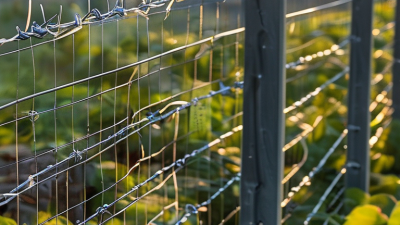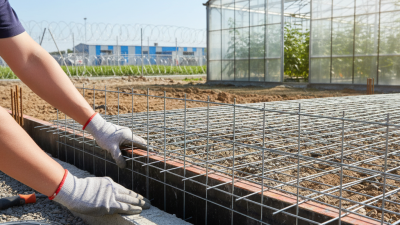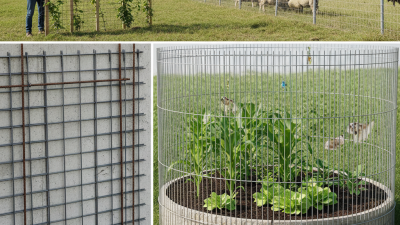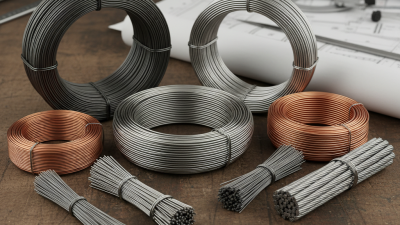
Galvanized wire mesh supports fencing, construction, agriculture, mining, ventilation, and industrial screening. Its zinc coating helps steel resist moisture, abrasion, and outdoor corrosion. However, coating quality varies widely. A bright surface alone proves little.
Industry research confirms sustained demand. Grand View Research’s Wire Mesh Market Size, Share & Trends Analysis identifies construction, infrastructure, and industrial applications as major growth drivers. MarketsandMarkets also reports that expanding infrastructure investment is strengthening demand for durable metal mesh products. These findings matter because galvanized wire mesh is often selected for service life, not appearance. In practical use, a properly coated panel can face rain, dust, handling, and repeated installation without rapid surface failure.
Technical evidence should guide supplier comparisons. ASTM A641/A641M covers zinc-coated carbon steel wire requirements, including coating adherence and uniformity. ISO 1461 provides reference requirements for hot-dip galvanized coatings on fabricated iron and steel products. Buyers should request coating weight, wire diameter tolerance, tensile strength, mesh opening, roll length, and inspection records. Details matter. A supplier should also explain whether the product is electro-galvanized or hot-dip galvanized. The difference affects coating thickness, finish, and expected outdoor performance.
This guide reviews leading galvanized wire mesh manufacturers and suppliers through a practical purchasing lens. It considers production capacity, testing, customization, packaging, export experience, and after-sales communication. No ranking is flawless. A polished catalog can still hide inconsistent welds or unclear coating data. Therefore, supplier claims should be checked against samples, certificates, and independent inspection when project risk is high. This approach supports safer decisions, clearer specifications, and more reliable long-term value.
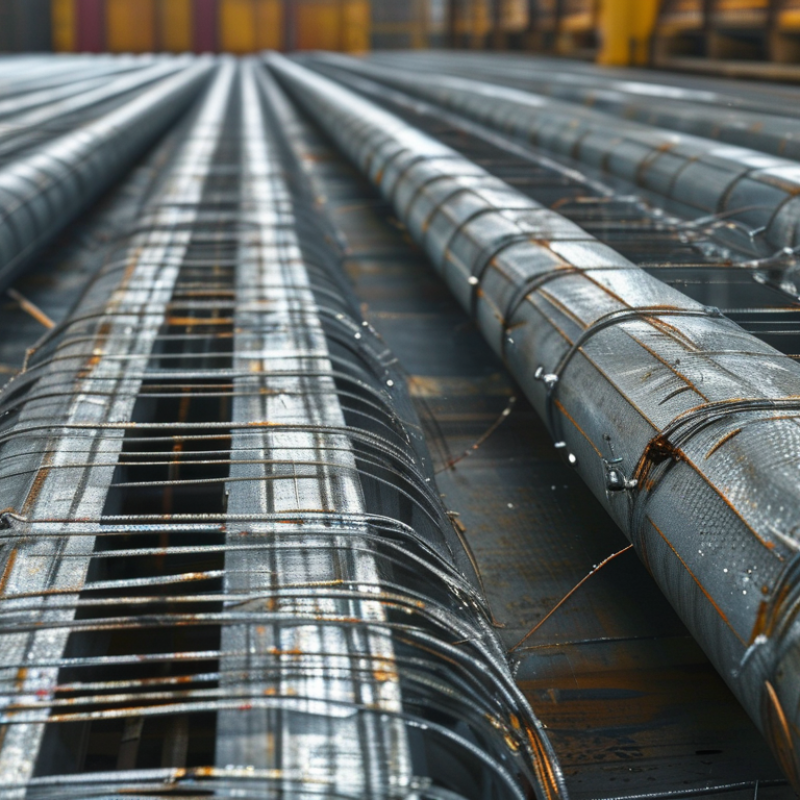
Galvanized wire mesh is steel wire protected with a zinc coating. The zinc barrier slows rust when moisture reaches the surface. Mesh may be welded, woven, or expanded, depending on its intended load and opening size. It appears in fencing, ventilation guards, agricultural enclosures, and construction screens.
Manufacturing starts with low-carbon steel rod. The rod is drawn through dies until the required wire diameter is reached. Workers then remove oil, scale, and oxides through cleaning and fluxing. In hot-dip galvanizing, the prepared wire passes through molten zinc, usually near 450°C. Cooling and inspection follow. Some mesh is galvanized before weaving, while heavier products are galvanized after fabrication. The second method can cover cut edges more effectively, but distortion remains a practical risk.
Coating quality needs measurement, not visual confidence. ASTM A641/A641M specifies zinc-coated carbon steel wire requirements, including coating weight and adhesion. The USGS Mineral Commodity Summaries 2025 estimated global zinc mine production at about 12 million metric tons in 2024. That supply supports galvanizing, but it does not guarantee consistent mesh quality. World Steel Association data recorded approximately 1.89 billion metric tons of crude steel production in 2023, showing the enormous material base behind steel products. Field checks should compare wire diameter, aperture size, coating mass, and weld integrity. A bright surface can mislead. Poor cleaning may leave hidden uncoated areas, and even careful production can produce minor variation.
Galvanized wire mesh is selected by structure, coating, opening size, and working environment—not by appearance alone. Common types include welded, woven, and hexagonal mesh. Welded mesh holds square openings firmly, making it suitable for cages, partitions, and reinforcement panels. Woven mesh bends more easily and works well for screens, filters, and irregular surfaces. Hexagonal mesh provides flexible containment for light barriers and agricultural applications. Each type behaves differently.
Key specifications begin with wire diameter and aperture size. Typical wire diameters may range from fine screening wire to heavy structural wire. Smaller openings improve particle control but can reduce airflow and increase weight. Suppliers should state mesh dimensions clearly, including roll width, sheet length, and dimensional tolerance. Coating weight, often shown in grams per square metre, indicates zinc coverage. Hot-dip galvanizing after fabrication usually protects welds and intersections better. Pre-galvanized mesh may cost less, but cut edges need closer inspection.
Performance depends on more than zinc thickness. Outdoor fencing needs tensile strength, rigid joints, and resistance to repeated impact. Humid or coastal areas demand stronger corrosion protection than dry interiors. A practical inspection checks weld quality, uniform openings, sharp edges, and visible bare spots. Request material certificates, coating measurements, and tensile test data from the supplier. Specifications are not always perfect. Real installations sometimes reveal mismatched openings, unexpected sagging, or faster corrosion near cut edges. Careful sampling before bulk purchasing can expose these weaknesses.
Assessing galvanized wire mesh manufacturers requires more than comparing prices. Start with the product itself. Check the wire diameter, mesh opening, zinc coating, tensile strength, and dimensional tolerance. A reliable supplier should provide recent test reports, clear specifications, and traceable batch records.
Request physical samples before placing a large order. Measure the opening with calipers and inspect the coating near welded joints. Uneven zinc coverage may reveal weak preparation or rushed processing. Ask how the manufacturer controls wire drawing, welding, galvanizing, and final inspection. Their answers should be specific, not vague.
Factory evidence matters. Review production photos, quality procedures, packaging methods, and delivery records. If possible, arrange a factory audit or use an independent inspection service. I have found that neat packaging does not always indicate consistent mesh quality. A supplier may also show certificates that are valid but unrelated to your exact product. Check dates, testing methods, and issuing laboratories carefully.
Communication is another practical test. Does the manufacturer confirm tolerances, roll lengths, pallet details, and replacement procedures in writing? Small omissions can create expensive problems later. Ask for a production schedule and clarify how delays are reported. Honest suppliers admit limitations. That is useful. No factory performs perfectly, and vague promises deserve a second look.
| Assessment Dimension | What to Check | Relevant Standard or Method | Objective Acceptance Data | Recommended Evidence |
|---|---|---|---|---|
| Wire Diameter | Measure the finished wire diameter after galvanizing at several locations. | ASTM A641/A641M or the dimensional tolerance specified in the purchase order. | Every measured value should remain within the agreed diameter tolerance; record nominal diameter and tolerance in millimetres. | Calibration certificate, inspection report and sample measurement records. |
| Zinc Coating Mass | Confirm the zinc coating class and test the coating mass rather than relying only on visual appearance. | ASTM A641/A641M; coating mass can be determined using ASTM A90/A90M or an applicable gravimetric method. | The measured coating mass must meet the minimum value for the specified wire diameter and coating class. | Laboratory test report showing coating mass in g/m², test method, sample number and results. |
| Mesh Opening | Verify aperture size, opening shape and consistency across the roll or panel. | ISO 4783-2, ISO 9044 or the project-specific mesh specification. | Measured openings must comply with the ordered nominal size and the tolerance defined by the applicable standard or contract. | Mesh measurement sheet with readings taken in the lengthwise and crosswise directions. |
| Tensile Strength and Elongation | Check the mechanical properties of the wire before and after processing where applicable. | ASTM A641/A641M and the applicable wire tensile-testing procedure. | Results must meet the tensile-strength and elongation values specified for the selected wire grade and diameter. | Mill test certificate, tensile test results and heat or batch traceability. |
| Manufacturing Process | Determine whether the mesh is galvanized before weaving, galvanized after weaving, or welded and then galvanized. | Process description should be matched to the required corrosion protection and end use. | The declared process must match the technical offer, drawings and inspection plan; exposed cut or weld areas require particular review. | Process flow chart, production photographs and pre-shipment inspection plan. |
| Surface Quality | Inspect for bare spots, flaking, excessive zinc lumps, cracks, sharp projections and damaged packaging. | Visual inspection against the agreed quality sample and applicable galvanizing specification. | No unacceptable bare areas, peeling or defects that reduce service performance or create a safety hazard. | Dated inspection photographs, defect classification and corrective-action records. |
| Dimensional Accuracy | Verify roll width, panel length, selvage, line wire spacing and overall flatness. | Purchase-order drawings, approved samples and the relevant mesh dimensional standard. | All critical dimensions must fall within the approved tolerance; nonconforming rolls or panels should be segregated. | Final inspection report with actual dimensions, sampling frequency and disposition of defects. |
| Weld or Joint Integrity | For welded mesh, check weld appearance, joint consistency and resistance to handling or specified loads. | Applicable welded-wire reinforcement or welded-mesh specification, drawings and agreed test method. | No visibly broken joints, loose wires or weld defects outside the agreed acceptance criteria. | Weld inspection records, sample pull-test results where required and batch identification. |
| Corrosion-Resistance Documentation | Review zinc coating data, intended environment and any additional protective treatment. | ASTM A641/A641M, ISO 1461 where applicable to fabricated hot-dip galvanized products, and project requirements. | The coating specification must be suitable for the exposure category; salt-spray hours should not be treated as a substitute for coating-mass verification. | Coating certificate, environmental suitability statement and documented test limitations. |
| Traceability and Quality System | Check whether raw material, production batch, inspection results and shipment documents can be linked. | ISO 9001 certification may support system evaluation but does not replace product testing. | Each shipment should have a unique batch or lot reference connected to material and inspection records. | Quality manual, valid certificate scope, batch records and nonconformance procedure. |
| Packaging and Shipment Protection | Assess moisture protection, roll or panel stability, labels and loading security. | Approved packaging specification and agreed shipping requirements. | Packaging must prevent deformation, contamination and prolonged moisture exposure during normal transport and storage. | Packing list, package photographs, labels showing size and batch, and loading inspection records. |
| Pre-Shipment Inspection | Confirm that inspection is performed on the finished goods before dispatch. | Inspection and Test Plan agreed between buyer and supplier. | The report should include sampling scope, actual measurements, nonconformities, corrective actions and final release status. | Signed inspection report and independent inspection report when contractually required. |
Market strength is more than production volume. Leading galvanized wire mesh manufacturers usually combine stable coating quality, repeatable welding, and dependable delivery. Large-scale producers often serve construction, fencing, agriculture, and industrial projects across several regions. Their advantage is capacity, documented testing, and consistent wire diameter. Regional manufacturers may offer faster communication and better knowledge of local weather conditions. Custom fabricators are valuable when projects require unusual apertures, panel sizes, or edge finishes.
Experience matters on the factory floor. Ask whether the supplier checks zinc coating thickness, weld strength, mesh opening, and tensile performance. Request recent inspection records, sample panels, and clear tolerance data. A reliable supplier should explain how it controls corrosion risk during storage and transport. Some profiles look impressive online, but practical evidence can be thinner. That is worth questioning.
Tips: Compare suppliers by market strength, not slogans. Review production capacity, testing methods, lead times, packaging, and after-sales response. For outdoor fencing, examine coating uniformity around welds and cut edges. For industrial screens, confirm load requirements before comparing prices. Small samples help, but they cannot reveal every batch variation. Keep that limitation in mind. A strong partnership grows from transparent specifications, realistic claims, and regular quality checks.
Galvanized wire mesh serves fencing, animal enclosures, gabions, construction reinforcement, and industrial screening. A 2024 market assessment by Grand View Research estimated the global galvanized steel wire market at roughly USD 8 billion. That scale increases supplier choice, but not necessarily product consistency. In practice, mesh used beside wet soil needs stronger corrosion protection than temporary indoor partitions.
Quality checks should start with the basics. Measure wire diameter and mesh aperture at several points, not only near the edge. Inspect zinc coverage for bare spots, rough lumps, peeling, or dark storage stains. ASTM A641 covers zinc-coated carbon steel wire, while ISO 1461 provides useful guidance for hot-dip galvanized coatings. Request coating-mass results, tensile data, weld-strength records, and batch traceability. Small details matter.
Purchasing teams should compare delivered specifications, not just price per roll. Ask whether the stated wire size includes the zinc layer. Confirm roll length, tolerance, packaging, and moisture protection. For welded mesh, test intersections because weak welds can fail before the wire corrodes. The World Steel Association reported approximately 1.88 billion tonnes of crude steel production in 2024, reflecting a vast supply base but also variable processing quality. A perfect checklist is impossible. Field exposure, bending, and installation damage still deserve review.