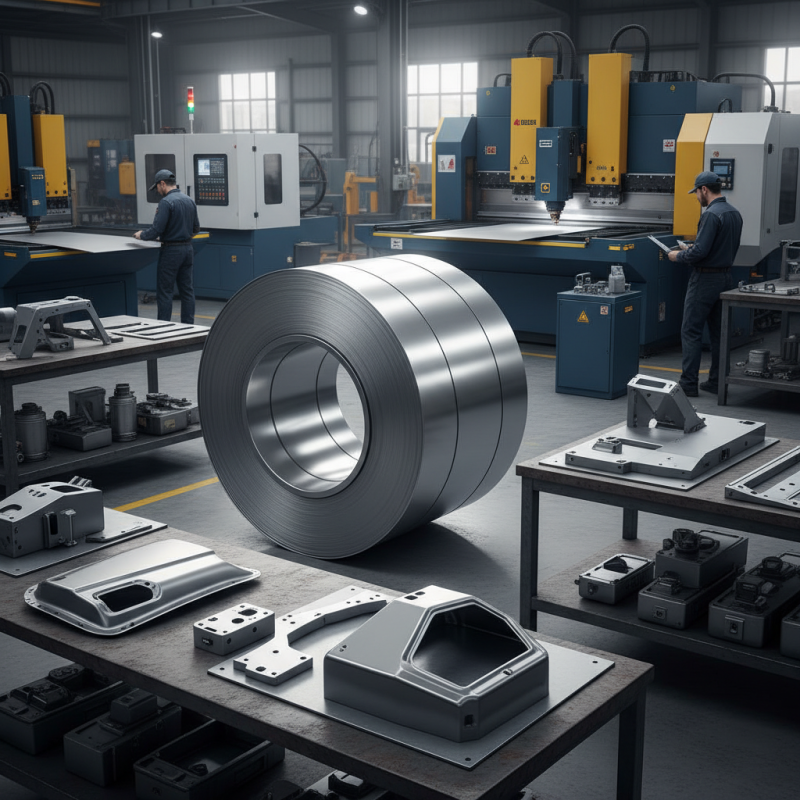
Why is Complete Sheet Metal Essential for Manufacturing?
In the world of manufacturing, Complete Sheet Metal plays a crucial role. Sheet metal is a versatile material used in various industries. It can be easily shaped and formed into different structures. The efficiency of manufacturing largely depends on the quality of sheet metal used.
Complete Sheet Metal offers consistency and durability. It ensures that parts fit together seamlessly, enhancing overall functionality. Inadequate sheet metal can lead to flaws during production. These flaws can cause delays and increased costs. Manufacturers must carefully consider their choices.
While Complete Sheet Metal meets high standards, its sourcing can be challenging. Not all suppliers offer the same quality. This inconsistency can lead to significant issues in production timelines. Choosing the right vendor becomes essential. Ensuring quality materials can mean the difference between success and failure in manufacturing projects.
Importance of Complete Sheet Metal in Manufacturing Processes
Complete sheet metal plays a significant role in various manufacturing processes. It provides essential structural support for products. This material is versatile, allowing for diverse applications. From automotive parts to electronics enclosures, sheet metal is everywhere. Its ability to be molded and shaped is crucial in design.
Precision is vital when working with sheet metal. Small defects can lead to costly errors. Issues such as warping or uneven cutting can arise during production. Manufacturers must pay attention to detail. Slight variations can compromise the final product's quality. This is an area that needs constant improvement.
Using complete sheet metal ensures durability and strength. It resists wear and tear, making it ideal for heavy-duty applications. However, not all processes yield perfect results. Monitoring and quality control are necessary. Regular assessments can identify areas for refinement. Understanding these challenges is essential for continuous growth in manufacturing.
Why is Complete Sheet Metal Essential for Manufacturing?
| Dimension | Importance | Applications |
| Material Quality | Ensures durability and performance | Automotive, Aerospace |
| Precision Cutting | Reduces waste and saves costs | Electronics, HVAC |
| Surface Finishing | Enhances appearance and corrosion resistance | Consumer Goods, Furniture |
| Welding Techniques | Improves structural integrity | Construction, Heavy Machinery |
| Customization | Meets specific client needs | Specialized Equipment, Artwork |
Role of Complete Sheet Metal in Design and Prototyping
Complete sheet metal plays a crucial role in the design and prototyping phases of product development. According to industry reports, 70% of product failures occur during the design stage. This highlights the importance of using quality materials like sheet metal. It allows for flexible design options. Designers can experiment with various shapes and sizes, which aids in refining ideas quickly.
Prototyping with complete sheet metal can reduce time to market by 30%. This is significant in today’s fast-paced industry. Engineers can test the prototypes for functionality and durability. However, challenges remain. The precision of the sheet metal must align with design specifications. Minor discrepancies can lead to costly revisions. This requires continuous feedback loops throughout the prototyping process.
Additionally, the sourcing of high-quality sheet metal can be a concern. Not every supplier can deliver consistent quality. Using subpar materials can affect the integrity of the final product. In some cases, this can lead to failures that impact brand reputation. Investing in reputable manufacturers is critical but often overlooked. Ensuring the right partnerships will ultimately enhance design and prototyping outcomes.
Advantages of Using Complete Sheet Metal for Durability and Cost Efficiency
Complete sheet metal is increasingly recognized for its role in enhancing durability and cost efficiency in manufacturing. Utilizing high-quality sheet metal can significantly improve the lifespan of products. According to a recent industry report, using complete sheet metal can extend product durability by up to 40%. This strength translates into fewer replacements and repairs over time, leading to reduced operational costs.
In a world where efficiency is key, the cost benefits of complete sheet metal are noteworthy. Research shows that businesses can save up to 20% on manufacturing costs by adopting optimized sheet metal techniques. These savings are often achieved through minimized waste and efficient production processes. Companies that invest in complete sheet metal can better respond to market demands, enhancing competitiveness.
Tips for manufacturers: Focus on quality over quantity when sourcing materials. Ensure that your team is trained in efficient sheet metal handling. Don't overlook the importance of regular maintenance on equipment. Regular checks can prevent costly downtimes and improve overall productivity. Remember, investing in complete sheet metal is an investment in the future of your production capabilities.
Applications of Complete Sheet Metal Across Various Industries
Complete sheet metal plays a vital role in various industries. It is widely used in automotive manufacturing, aerospace, and construction. In the automotive sector, about 80% of vehicles utilize sheet metal components. This includes parts like chassis, body panels, and brackets. The material is lightweight but strong, making it ideal for vehicles. Manufacturers benefit from its formability and resistance to corrosion.
In aerospace, complete sheet metal is crucial for airframe structures. It helps in maintaining structural integrity while reducing weight. Reports indicate that sheet metal parts account for around 10-15% of the total weight of an aircraft. This reduction in weight directly contributes to fuel efficiency. However, the industry faces challenges such as high manufacturing costs and the need for skilled labor.
The construction sector also depends heavily on sheet metal. HVAC systems and roofing often utilize this material. According to recent data, around 30% of metal used in construction is sheet metal. This trend creates opportunities for innovation. Still, not all applications are efficient. In some projects, improper material selection leads to increased waste and cost overruns. A refined understanding of complete sheet metal's properties is vital for minimizing these issues.
Applications of Complete Sheet Metal Across Various Industries
Challenges and Solutions in Implementing Complete Sheet Metal Techniques
Implementing complete sheet metal techniques presents numerous challenges, yet it is pivotal for modern manufacturing. One major issue is material waste during fabrication. Reports suggest that up to 25% of materials can become scrap in traditional processes. This statistic highlights the need for better planning and resource management. Efficient designs and accurate cutting methods can help minimize waste. Manufacturers must invest in advanced technologies, such as laser cutting systems, which offer precision and reduce excess material use.
Another challenge is the skill gap within the workforce. According to a survey by the Fabricators & Manufacturers Association, over 50% of manufacturers struggle to find skilled workers for sheet metal processes. This shortage can lead to higher production costs and longer lead times. Training programs tailored to teach the intricacies of sheet metal work are essential for closing this gap. Additionally, mentoring programs could provide on-the-job experience, which is vital for skill development.
Quality assurance remains a significant concern as well. Inconsistent tolerances can lead to compromised product designs, affecting functionality. Industry studies show that up to 30% of rejected parts stem from poor quality control. Establishing standard operating procedures and robust inspection processes can mitigate these issues. Harnessing automation in quality checks may also improve outcomes, ensuring that products meet strict specifications consistently.