What is a Fluorine Pump and Its Applications?
The Fluorine Pump is a remarkable innovation in the chemical engineering sector. According to Dr. Henry Thompson, a leading expert in fluid dynamics, "The Fluorine Pump is essential for handling corrosive chemicals safely." This technology allows industries to manage fluorine gas and other aggressive chemicals with precision and reliability.
Fluorine Pumps play a crucial role in sectors like pharmaceuticals and semiconductor manufacturing. These pumps are designed to withstand extreme conditions, making them vital in processes that require high purity and efficiency. Yet, the implementation of Fluorine Pumps is not without challenges. They demand rigorous maintenance to ensure optimal performance.
The continued evolution of Fluorine Pump technology reflects ongoing demands in various fields. While this innovation offers solutions, it prompts reflections on safety measures and operational protocols. As industries grow, the need for experts to navigate these complexities remains critical. Understanding the inner workings of Fluorine Pumps can lead to enhanced safety and performance in chemical handling.
Understanding Fluorine Pumps: Definition and Functionality
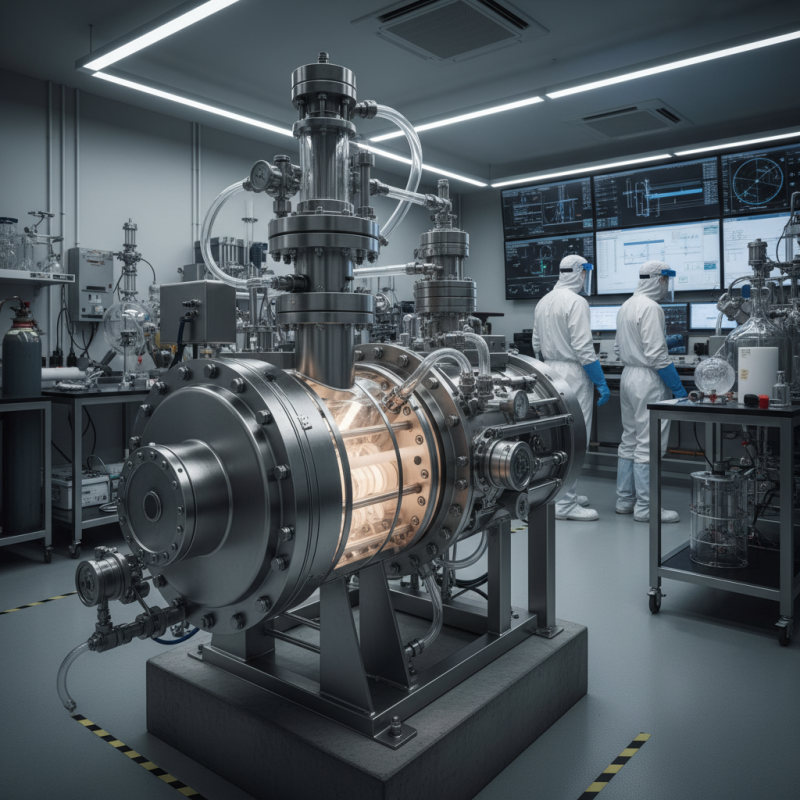
Fluorine pumps are specialized devices designed to handle corrosive and reactive chemicals. They are essential in various industries, including chemical processing, semiconductor manufacturing, and pharmaceuticals. These pumps are built from materials that can withstand the harsh properties of fluorine and its compounds. According to a report from Research and Markets, the fluorine pump market is expected to grow at a CAGR of 5.2% from 2022 to 2028. This growth reflects the increasing demand for fluorinated compounds in different applications.
The core functionality of a fluorine pump lies in its ability to precisely control the flow of fluorine gas or liquid. Such pumps often employ specialized seals and materials, like Teflon, to prevent leaks and maintain efficiency. A study by the American Chemical Society states that failures in traditional pumps used for fluorine can lead to costly downtime and safety hazards. Therefore, companies increasingly prioritize the adoption of robust fluorine pumps to enhance reliability.
Fluorine pumps are not without challenges. Even with advanced materials, there are concerns about wear over time. Regular maintenance is crucial to ensure longevity and performance, yet many organizations struggle with implementing adequate monitoring systems. This creates gaps in operational reliability. As the industry grows, addressing these issues becomes vital for safe and effective fluorine usage.
The Design and Components of Fluorine Pumps
Fluorine pumps are specialized devices designed to handle fluorine and fluorinated compounds. They feature robust materials to withstand the reactive nature of these substances. The components of a fluorine pump typically include a corrosion-resistant casing, a reliable sealing system, and a precise metering mechanism. Materials like nickel and Hastelloy are commonly used due to their resilience against corrosion.
When designing a fluorine pump, it is crucial to ensure a secure environment. Influences such as temperature changes must be accounted for. Additionally, the pump’s efficiency directly correlates with its design. Each component should be meticulously crafted to prevent leakage.
Tips: Always assess the compatibility of materials when dealing with fluorine. Testing under controlled conditions can prevent costly failures. Regular maintenance checks are pivotal in ensuring the longevity of these pumps. Operators must also be trained to handle fluorine safely, as its reactive properties can pose risks. One mistake in handling can lead to leaks. Therefore, focus on creating a safe workspace around fluorine pumps.
Fluorine Pump Applications and Efficiency
Key Industrial Applications of Fluorine Pumps
Fluorine pumps are essential in various industries due to their unique properties. They handle aggressive chemicals, especially fluorine-based gases and liquids. These pumps excel in high-temperature and high-pressure environments, making them critical in sectors like chemical manufacturing and semiconductor production.
In chemical manufacturing, fluorine pumps are used for producing fluorinated compounds. These compounds are integral to pharmaceuticals, polymers, and agrochemicals. The specialized materials in pumps ensure longevity despite harsh environments.
In the semiconductor industry, fluorine pumps efficiently manage gas mixtures used in etching and deposition processes. However, their maintenance can be challenging, often requiring specialized knowledge to ensure optimal performance.
Fluorine pumps also find applications in the nuclear sector. They transport coolants and assist in maintaining safety systems. The accuracy of these pumps directly affects operational safety. While advancements in technology improve efficiency, designing universally reliable pumps remains complex. Different applications demand various materials and designs, which can complicate the selection process.
Benefits and Challenges of Using Fluorine Pumps
Fluorine pumps play a crucial role in various industrial applications, particularly in the chemical and manufacturing sectors. These pumps are designed to handle fluorine and other aggressive fluids. Their unique construction materials enable them to withstand highly reactive substances. However, while fluorine pumps offer several benefits, they also present notable challenges.
One significant benefit is their ability to operate in extreme conditions. Fluorine pumps function effectively in high temperatures and pressures. This versatility is essential for industries dealing with corrosive chemicals. Moreover, they facilitate safe and efficient fluid transport. These factors enhance productivity and safety in processes such as semiconductor manufacturing and fine chemical production.
Despite these advantages, there are challenges. Proper maintenance is necessary to prevent leaks and failures. The materials used in fluorine pumps can also be expensive, impacting initial costs. Additionally, training operators on their safe use is vital. Neglecting these aspects can lead to potential hazards.
Tips: Regular inspections are essential. Monitor performance closely to catch issues early. Ensure staff are well-trained on handling fluorine safely. Keep detailed logs of maintenance schedules for transparency.
Using fluorine pumps effectively requires balancing their benefits with inherent challenges. Investing time and resources into maintenance and training can mitigate risks. Embracing these practices can lead to safer operations and improved efficiency.
Future Trends in Fluorine Pump Technology and Innovation
Fluorine pump technology is evolving rapidly. Recent studies highlight significant growth in demand, projected to increase at a CAGR of 7.5% over the next five years. This trend is mainly driven by the chemical processing and semiconductor industries, where precision and reliability are crucial. Manufacturers are integrating advanced materials and smart technology into designs. Enhanced efficiency will lead to lower operational costs and improved safety.
Tips: Regular maintenance is essential to prolong the life of the pump. Always check for leakages or inconsistencies in fluid transfer.
Innovation is key to future advancements. Researchers are exploring the use of artificial intelligence to optimize pump performance in real-time. Enhanced monitoring systems can provide actionable insights, reducing downtime. However, challenges such as high operational temperatures and chemical reactivity pose significant hurdles. Finding materials that can withstand these conditions remains a focus for many engineers.
Tips: Consider training staff on the latest technology trends. Increasing knowledge leads to better problem-solving capabilities. Continuous learning is vital in this fast-paced field.