Why Steel Wire is Essential for Construction and Manufacturing Industries?
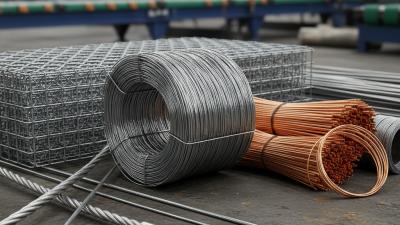
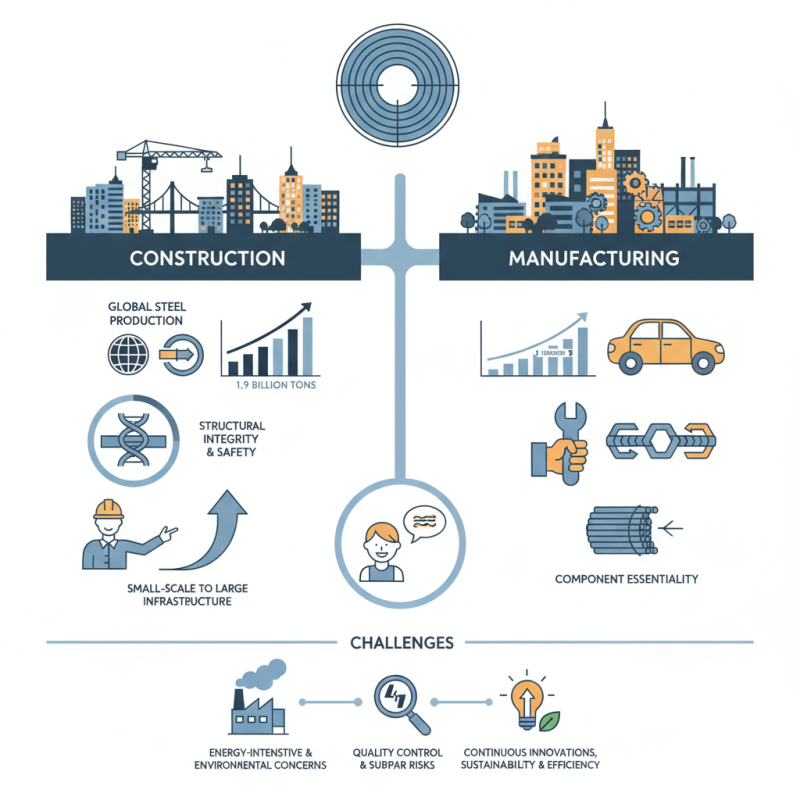
The construction and manufacturing industries heavily rely on steel wire. According to a report from the World Steel Association, the global production of steel reached approximately 1.9 billion tons in 2021. This figure highlights the significant demand for materials like steel wire in various applications. Steel wire is not just a component; it is essential for structural integrity and safety.
Expert John Smith, an engineer with over 20 years in the steel industry, states, “Steel wire is the backbone of modern construction, offering strength and flexibility.” His insights reflect a broader understanding of how steel wire supports both small-scale projects and large infrastructure developments. Without steel wire, many structures we take for granted would be less reliable and potentially unsafe.
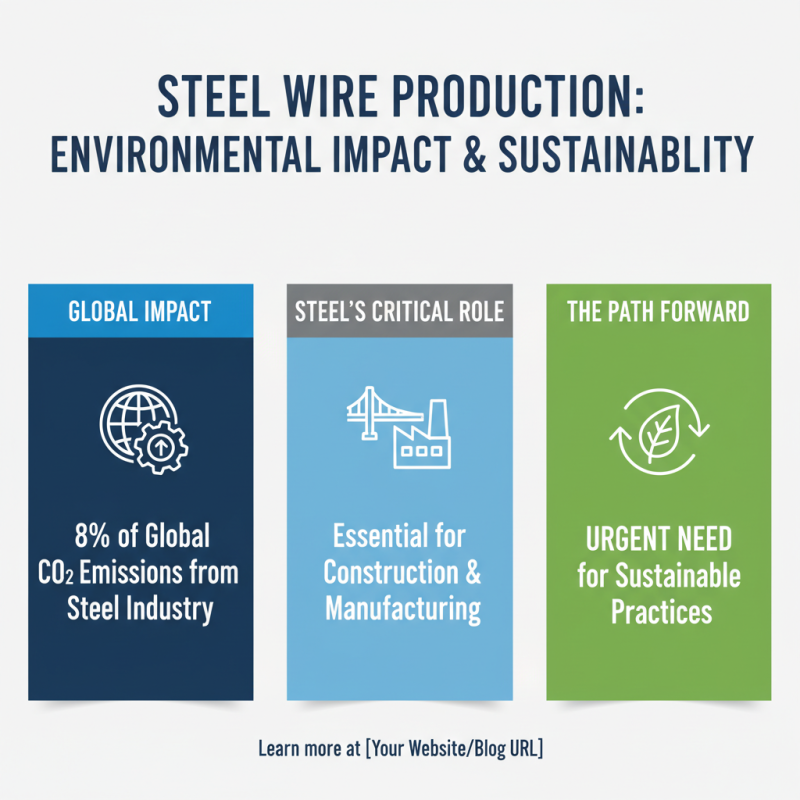
Yet, challenges remain in the steel wire sector. The production process can be energy-intensive, raising environmental concerns. Quality control is also crucial, as subpar steel wire can compromise projects. Continuous innovations are needed to improve sustainability and efficiency in steel wire manufacturing.
The Historical Role of Steel Wire in Construction and Manufacturing
Steel wire's historical significance in construction and manufacturing cannot be overstated. It has been a preferred material for decades due to its strength and durability. According to the World Steel Association, as of 2020, around 1.8 billion tons of steel are produced annually, with a substantial part of this being used for wire applications. This material has facilitated the development of infrastructures such as bridges and high-rise buildings, significantly shaping urban landscapes.
In the manufacturing sector, steel wire plays a crucial role. It is utilized in producing various products, from automotive components to industrial machinery. A report from Grand View Research shows that the global wire manufacturing market is projected to reach $300 billion by 2027, reflecting its integral role in enabling more efficient production methods. However, reliance on steel wire comes with challenges. Environmental concerns arise from steel production, contributing to carbon emissions. This prompts the industry to look for sustainable practices.
While steel wire has proven its value, the industry faces issues relating to supply chain disruptions. These disruptions can impact construction timelines and manufacturing rates. Therefore, moving forward, finding a balance between robust supply chains and environmental concerns remains essential for the steel wire sector.
Key Properties of Steel Wire that Benefit Industrial Applications
Steel wire plays a crucial role in various industries. Its unique properties make it a preferred choice for construction and manufacturing. One of its key attributes is tensile strength. Steel wire can bear heavy loads without breaking, making it ideal for structural supports. This strength also contributes to the durability of products like cables and mesh.
Another significant feature is flexibility. Steel wire can be bent and twisted without compromising its integrity. This flexibility allows for innovative designs in construction and product manufacturing. Moreover, its corrosion resistance enhances longevity. Many industrial applications require materials that endure harsh environments. Steel wire fits this need well.
Despite its advantages, there are challenges. Producing high-quality steel wire can be complex. Variations in production methods may lead to inconsistent quality. Industries must be vigilant in sourcing. Regular testing is essential to ensure reliability. Awareness of these factors can enhance decision-making regarding material selection.
Steel wire is a critical component in both construction and manufacturing industries due to its unique properties. This chart illustrates key properties such as tensile strength, ductility, corrosion resistance, electrical conductivity, and thermal conductivity, which are vital for various industrial applications.
Current Global Market Trends for Steel Wire in the Construction Sector
The global market for steel wire in the construction sector is currently evolving. According to a recent report by Market Research Future, the steel wire market is expected to grow at a compound annual growth rate (CAGR) of approximately 5.5% from 2021 to 2028. This growth is driven by the increasing demand for infrastructure development and residential construction.
In North America alone, the construction industry has seen substantial growth. Data from the U.S. Census Bureau indicates that construction spending rose by over 10% in the last year. This surge emphasizes the vital role that steel wire plays in reinforcing structures and ensuring safety. Steel wire is not just a material; it is integral to the durability of buildings and bridges.
However, challenges remain. Fluctuating raw material prices affect production costs and, consequently, market stability. Environmental concerns also press the industry toward more sustainable practices. Players need to balance quality and cost while mitigating their environmental impact. The future of steel wire in construction hinges on innovation and resilience in addressing these pressing issues.
Statistical Insight: Steel Wire Usage and Demand in Manufacturing Industries
Steel wire plays a pivotal role in the construction and manufacturing sectors. Its strength and durability make it an ideal material for various applications. In recent years, the demand for steel wire has surged, reflecting the growth of industries that depend on it. According to recent statistics, the use of steel wire in manufacturing has increased by over 20% in the last three years. This trend is largely driven by infrastructure projects and the rise of sustainability initiatives.
In construction, steel wire supports concrete structures. It enhances tensile strength, ensuring buildings withstand stress and environmental factors. Manufacturing uses include automotive parts and machinery. These applications would be unreliable without quality steel wire. The versatility of steel wire is evident in how it adapts to meet industry needs.
Tip: Always choose high-quality materials for durability. Assess the specifications required for your project. Additionally, consider regions with a strong steel wire production to ensure efficiency in logistics and supply. Understanding local market trends can provide insights into future demands. Use this knowledge to inform your planning and purchasing decisions.