Essential CNC Accessories Tips for Optimal Performance?
In the world of CNC machining, having the right CNC Accessories is crucial for achieving optimal performance. Precision equipment enhances the effectiveness of your CNC machine. Yet, many users overlook this aspect. Selecting appropriate accessories can be daunting due to the vast array of options.
Investing in quality CNC accessories can transform your machining capabilities. Items like tool holders, collets, and coolant systems play significant roles. They not only improve accuracy but also increase the lifespan of the machinery. However, it’s easy to get overwhelmed. Not all accessories are necessary for every project. Understanding what works best for your specific needs requires reflection and experience.
Some users may prioritize affordability over quality. This often leads to subpar results and frustration. It’s essential to strike a balance between cost and performance. Paying attention to details in your choice of accessories will ultimately lead to better productivity and satisfaction in your CNC endeavors.
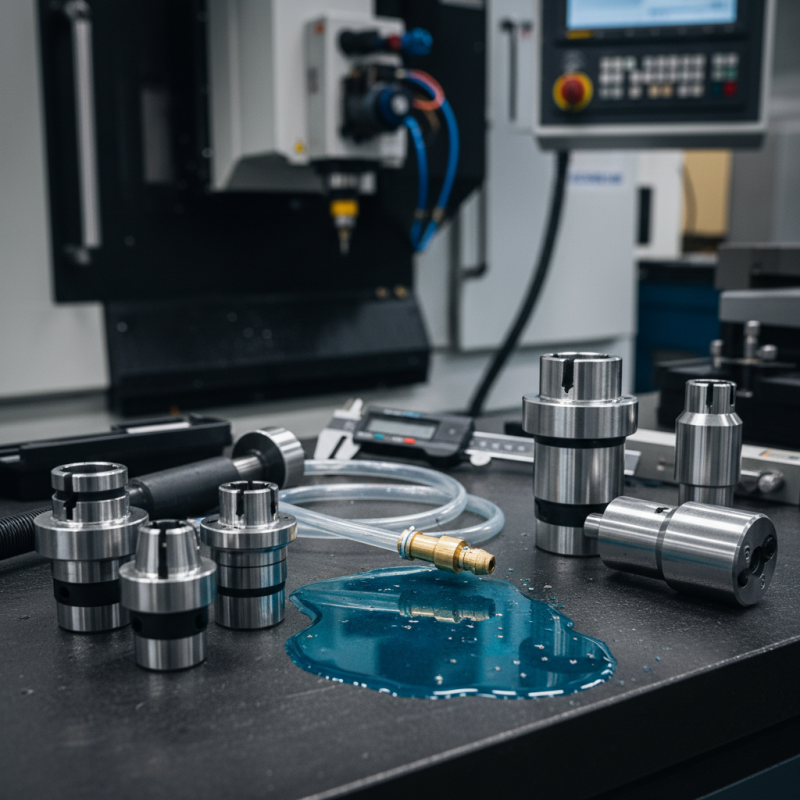
Essential CNC Accessories for Enhanced Precision and Efficiency
CNC machining is all about precision and efficiency. The right accessories can dramatically improve your output and accuracy. It’s essential to invest in quality tools that enhance your machine's capabilities. A high-quality vise can hold materials securely during operation. Look for one with adjustable jaws for versatility. However, many overlook the importance of proper maintenance. Regularly inspecting your vise can prevent unexpected mishaps.
Another key accessory is tooling. Select the right end mills for your applications. Different shapes and sizes perform various tasks. Experimenting can lead to surprising results, both good and bad. Sometimes, using the wrong tool can ruin a project. This is a lesson that many CNC operators learn the hard way. Pay attention to the wear on your tools. Dull tools can severely impact precision.
Finally, consider your workholding setup. It affects the overall workflow. A clamping system that is difficult to adjust can waste valuable time. Aim for a setup that is quick to change. Regularly review your accessories and their performance. Strive for constant improvement, even in small areas. Reflect on your choices and be willing to adapt as needed.
Understanding the Importance of Tool Holders and Collets
Tool holders and collets play a critical role in CNC machining. They ensure stability and precision in the cutting process. A good tool holder can absorb vibrations, leading to higher accuracy in machining. Collets allow for quick changes of tools, which can save time. However, not every collet fits perfectly. Sometimes, there are small gaps that can affect performance.
Choosing the right tool holder is essential. Factors like material and design should be considered. Some tool holders have better gripping force than others, which can lead to fewer tool slippages. When using a worn-out collet, the outcome may be less than ideal. Observing wear and tear will help maintain performance.
Additionally, regular maintenance is often overlooked. Cleaning tool holders prevents debris build-up, as dirt can lead to tool misalignment. Inspecting for wear can avoid bigger issues down the line. Proper storage also matters; leaving tool holders exposed can lead to rust. In the end, reflecting on these aspects can greatly improve CNC operations.
Choosing the Right Measuring Tools for CNC Projects
Choosing the right measuring tools for your CNC projects is crucial for achieving precision. Accurate measurements ensure that your final product meets specifications. However, many hobbyists overlook the importance of quality measuring tools. A cheap caliper may not provide the accuracy you need.
Investing in high-quality measuring instruments can save time and material. Optical comparators, for instance, offer visual measurements with high precision. They help identify flaws that might go unnoticed otherwise. Regularly calibrating your tools is essential too. An uncalibrated tool can lead to costly mistakes.
Tip: Always keep your measuring tools clean. Dirt can affect accuracy. Make it a habit to check them before starting a project. Remember, precision tools require care. A minor error in measurement can lead to a major project flaw. Building and maintaining a toolkit of reliable measuring devices will enhance your CNC experience.
Maintenance Tips for Prolonging the Life of CNC Accessories
CNC accessories are essential for optimal machine performance. Proper maintenance can significantly prolong their life. Start with regular cleaning. Dust and debris can accumulate, affecting precision. Use a soft brush and a cloth for delicate parts. Don't forget to inspect for wear and tear. Even small damages can lead to bigger issues later.
Lubrication is key. Ensure that moving parts have the right grease. Over-application can attract dirt, while under-lubrication may cause friction. Both can harm your tools. Check user guides for specific lubrication intervals. Replace worn parts immediately. Delaying this step can lead to further damage and costly repairs.
Monitor environmental factors as well. Humidity and temperature affect performance. Extreme conditions can lead to rust or malfunction. Consider a climate-controlled workspace for optimal results. Finally, keep a maintenance log. Document inspections and repairs. Reflection on past issues can reveal patterns and areas for improvement. This habit fosters a proactive approach to CNC accessory care.
Upgrading CNC Accessories for Improved Workflow and Performance
Upgrading CNC accessories can significantly enhance workflow and performance. Many shops miss opportunities by under-investing in tools that maximize productivity. Reports indicate that CNC machine efficiency can increase by 30% when proper accessories are used. High-quality vises, clamps, and tool holders ensure workpieces are secure, reducing errors.
One common oversight is the neglect of maintenance on existing accessories. Over time, components can wear down and affect precision. Keeping tools in optimal condition may seem tedious, but it is essential. Even small misalignments can lead to significant production delays. Regular inspections are key to identifying when replacements are necessary.
Investing in advanced software tools also plays a crucial role. For instance, CNC simulators help predict tool paths and identify potential issues before machining begins. A study showed that using simulation software can cut down setup times by nearly 25%. Proper training on these tools can further bridge the gap between machine capabilities and actual output. Adjusting and upgrading these accessories creates a more efficient workflow and boosts overall performance.
Essential CNC Accessories Impact on Performance