How to Choose the Right Teardrop Racking System for Your Needs?
When selecting the right Teardrop Racking System, consider your unique needs. The racking system is vital for maximizing storage efficiency. According to a recent industry report by Warehouse Solutions LLC, around 70% of warehouses utilize some form of racking system. Teardrop racking is popular due to its flexibility and ease of reconfiguration.
Understanding your warehouse's layout is crucial. The Teardrop Racking System allows you to customize row heights and adjust the design as inventory changes. In fact, studies indicate that 80% of warehouse managers report increased efficiency after implementing adjustable racking solutions. However, not all systems are created equal. Assessing the load requirements and considering structural safety standards ensures reliability.
Choosing the right system involves weighing many factors. It’s essential to reflect on how often your inventory changes. Improper selection might lead to inefficient space usage. Continuous evaluation of your racking system is helpful. The Teardrop Racking System can be an excellent choice, but it requires thoughtful planning and regular adjustments to optimize performance.
Understanding Teardrop Racking Systems and Their Features
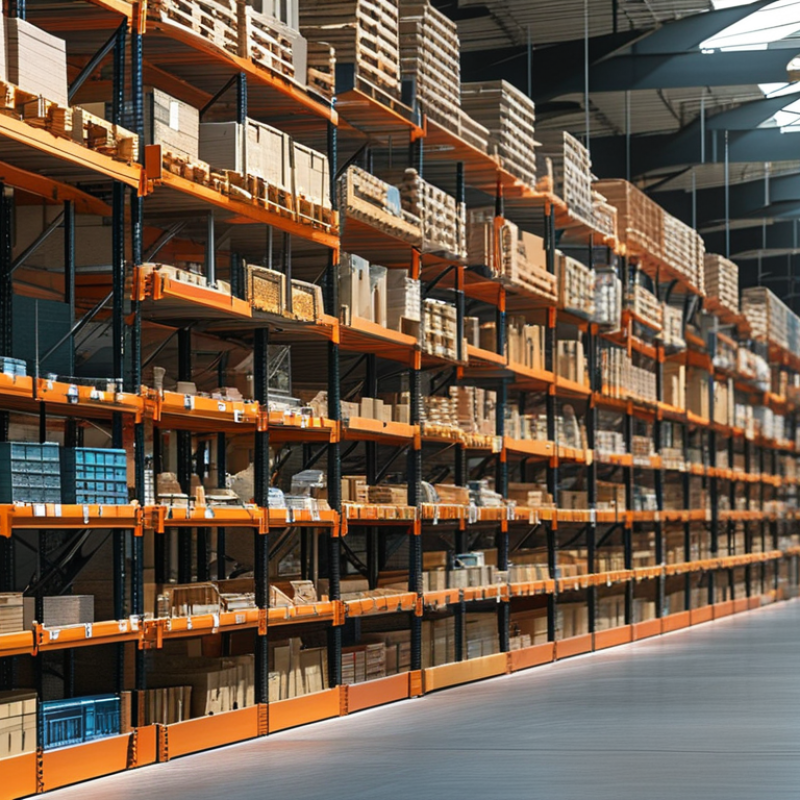
Teardrop racking systems are widely favored in warehouses and distribution centers. Their design features a distinctive teardrop shape, allowing for adjustable beams. This adjustability makes them more versatile than many other options. Users can easily change the height of shelves to accommodate various goods. This flexibility helps optimize space utilization, which is crucial for any storage facility.
One important aspect of teardrop racking is its weight capacity. Different configurations can handle different loads. It’s essential to understand your storage needs before making a decision. Some systems may not support heavier items, leading to potential safety risks. Always consider how often you will access certain items. This can impact the layout of your racking systems.
Another factor is the installation process. While teardrop racks are relatively straightforward to assemble, improper installation can lead to instability. Ensuring that all components fit correctly is vital for safety. Regular inspections and maintenance are necessary to keep systems functional. Over time, wear and tear can compromise the integrity of your racks. Therefore, choosing the right system requires careful evaluation of both your current and future storage needs.
Assessing Your Storage Needs and Space Requirements
When selecting a teardrop racking system, understanding your space is crucial. According to industry reports, optimizing storage can increase efficiency by up to 30%. Assessing the layout of your warehouse will help you determine the height and width required for your racking. Measure the floor space available and consider the types of items you'll store.
Tips:
1. Use foam board to create a model of your space. This visual aid helps you see how different systems fit.
2. Analyze peak storage volumes. This can prevent future overcrowding and ensure you have enough capacity.
Consider the weight and size of the products while selecting the racking system. Heavy items may require sturdier racks. Conversely, lighter products can be stored on smaller systems. A study shows that mismatch in weight capacities leads to increased risks. Be cautious about how you load the racking to avoid accidents.
Think about accessibility as well. A well-planned layout allows for efficient picking and replenishment. Notice potential bottlenecks in the aisles. Poor accessibility can stall operations. Consider how often you will rotate inventory. This will help determine the best design for your workflow.
Evaluating Weight Capacity and Storage Configuration Options
When selecting a teardrop racking system, evaluating weight capacity is essential. Racking solutions often display impressive weight limits. For example, many systems can support up to 2,500 pounds per shelf. However, it's crucial to understand your specific needs. Do you plan to store heavy equipment or light materials? Each item has its weight, thus influencing overall capacity.
Storage configuration options also play a key role. Teardrop racking is highly versatile. It can be configured to accommodate various sizes and shapes. Some configurations can incorporate additional safety features. Choosing the wrong arrangement may lead to inefficiencies. Misjudging capacity can result in overloading, causing potential hazards. Industry reports indicate that improperly utilized racking can lead to accidents, with a significant percentage resulting in workplace injuries.
Real-world applications present challenges. Many businesses underestimate their storage needs. Adjusting weight limits and configurations can be complex. Ensuring that the selected system meets needs requires careful planning. Misalignment between expectations and capacity often leads to frustration. It's vital to revisit your choices regularly as inventory changes. Understanding both weight capacity and layout is necessary for safe, effective storage solutions.
Choosing the Right Teardrop Racking System: Weight Capacity vs. Storage Configuration
Comparing Material Quality and Durability of Racking Systems
When selecting a teardrop racking system, material quality and durability are crucial. Steel is commonly used due to its strength. According to a recent industry report, steel racks can sustain heavy loads and resist wear better than some alternatives. In contrast, plastic or lightweight materials may not offer the same structural integrity.
It's essential to consider environmental factors. Systems exposed to moisture may corrode more quickly. The same report highlights that galvanized steel provides superior resistance against rust. Investing in durable materials can minimize replacement costs over time.
**Tip:** Always check weight capacities before making a purchase. This ensures that the racking system meets your specific storage needs.
Another factor to weigh is maintenance. While sturdy systems require less upkeep, they can be more expensive upfront. Sometimes, lower-cost options might lead to frequent replacements. Evaluate your long-term requirements carefully.
**Tip:** Ask experts about the best materials for your environment. Their insights can help you make a more informed choice.
Cost Analysis: Budgeting for Your Teardrop Racking Investment
When considering a teardrop racking system, budget is crucial. A comprehensive cost analysis helps ensure you invest wisely. Evaluate your available funds before diving into options. The initial purchase price often varies widely based on design, materials, and features. Don’t overlook potential long-term expenses such as installation, maintenance, and repairs.
Installation costs can catch you off guard. For instance, if you lack the right tools or experience, hiring professionals may be necessary. This can significantly boost your overall spend. Additionally, consider the upkeep costs. Regular checks and repairs can add to your budget over time.
Another factor is the space you have available. A larger system may seem appealing, but can it fit your area? Expanding your budget to accommodate a bigger system could lead to unexpected costs. Is the investment worth it? Carefully weigh how the racking system will enhance storage efficiency versus its initial and ongoing costs. This reflection can guide your decision effectively.