How to Choose the Right Stainless Steel Supplier for Your Needs?
Choosing the right stainless steel supplier can be a daunting task. With so many options available, how do you make the right choice? A good supplier is crucial for your project's success. You need a supplier who understands your needs and provides high-quality materials.
Consider the supplier's experience and reputation. An established stainless steel supplier often has a proven track record. Look at customer reviews and ask for references. This can give you a sense of their reliability. Prices are also important, but cheap is not always best. Sometimes, lower costs mean lower quality.
Think about delivery times and customer service. A responsive supplier can make your life easier. If they are hard to reach or slow to respond, it may lead to delays. Reflect on these factors to ensure a good partnership. A reliable stainless steel supplier can help you achieve great results.
Understanding Your Specific Stainless Steel Requirements
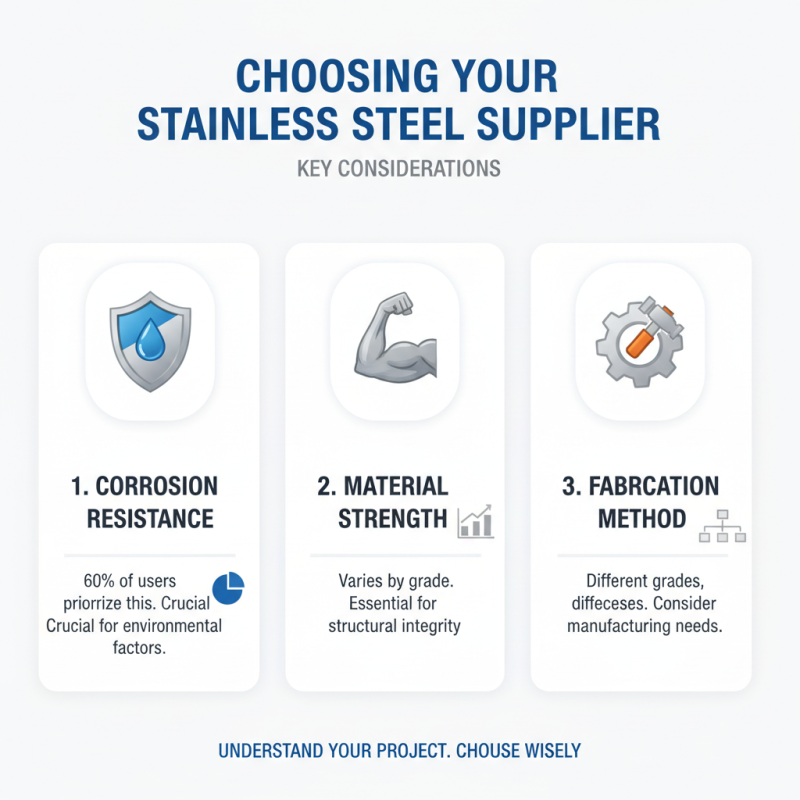
Choosing the right stainless steel supplier starts with understanding your specific requirements. Different projects demand various grades of stainless steel. Grades differ in strength, corrosion resistance, and fabrication methods. According to industry standards, around 60% of stainless steel users prioritize corrosion resistance when selecting materials. This highlights the importance of knowing the environmental factors your project will face.
Tip: Assess the specific environment where the stainless steel will be used. Will it face chemicals, moisture, or extreme temperatures? Understanding these conditions will guide your supplier choice.
Fabrication requirements also matter. Some suppliers specialize in certain processes. Reports show that not all suppliers can meet tight tolerances or offer advanced machining services. If your project has unique specifications, find a supplier who is equipped to handle them.
Tip: Ask for samples before committing. Many suppliers can provide small runs. This allows you to test the quality and compatibility with your applications.
When choosing a supplier, reflect on their industry experience. A well-established supplier may offer more reliable services. However, newer suppliers might provide innovative solutions. Balance your priorities based on quality and modern capabilities.
Researching Potential Stainless Steel Suppliers
When researching potential stainless steel suppliers, it’s crucial to consider several factors. Start by evaluating the supplier’s reputation. Online reviews can be a valuable resource. However, beware of biased opinions. It’s wise to seek feedback from various sources. Ask peers in your industry about their experiences. Their insights can point you to reliable options.
Next, examine the range of products offered. A supplier who specializes in various stainless steel grades may meet diverse needs. Look for one that can provide specific grades you require. It's also important to evaluate their pricing structure. Low prices can be tempting, but they may indicate subpar quality. Always request samples if possible. This will allow you to assess the material firsthand.
Finally, consider their customer service. Responsive communication is vital. You want a supplier who listens to your concerns. Delayed responses can hinder your project timeline. While researching, keep track of your findings. Create a checklist of potential suppliers. Regularly revisit your research; new options can emerge. Be prepared to adapt your choices as needed.
How to Choose the Right Stainless Steel Supplier for Your Needs?
| Supplier Location |
Material Types Offered |
Certifications Available |
Minimum Order Quantity |
Lead Time |
Customer Support Rating |
| USA |
304, 316, 430 |
ISO 9001, ASTM |
500 kg |
2 Weeks |
4.5/5 |
| Europe |
304L, 316L, Duplex |
EN 10204, ISO 14001 |
200 kg |
3 Weeks |
4.8/5 |
| Asia |
201, 430, 316Ti |
JIS, SGS |
1000 kg |
1 Week |
4.6/5 |
| Australia |
316, 321, 310S |
AS/NZS, ISO 45001 |
250 kg |
4 Weeks |
4.7/5 |
Evaluating Supplier Credentials and Reputation
When selecting a stainless steel supplier, evaluating their credentials is crucial. A supplier's certification can provide insights into their quality assurance processes. Many industry reports indicate that over 75% of manufacturers prioritize suppliers with ISO certifications. This indicates a commitment to quality and compliance with international standards. Additionally, industry surveys show that suppliers with strong credentials can reduce production delays by 30%.
Reputation is another key factor. Suppliers with positive reviews often have established trust in the market. A recent report suggested that 68% of purchasing decisions are influenced by supplier reputation. Engaging with other businesses can reveal their experiences. Feedback from peers can uncover hidden issues. Some suppliers may seem reliable but have poor service histories. Therefore, analyzing their track record is essential.
Reliability can vary widely. Not all suppliers meet the same quality standards, and mistakes can happen. It’s important to examine case studies or client testimonials. Are there instances of late deliveries or quality failures? These red flags shouldn't be ignored. A thorough evaluation of a supplier's credentials and reputation can lead to better purchasing decisions. Some may overlook these details, leading to costly consequences.
Comparing Pricing and Quality of Stainless Steel Products
When selecting a stainless steel supplier, pricing and quality are critical factors. There are various grades of stainless steel, and each grade has distinct properties. Price variations can be significant, with reports indicating that suppliers charge anywhere from 10% to 30% more for higher-quality materials. For businesses, this cost difference can impact overall project budgets.
Quality should not be overlooked. A recent industry report states that 20% of stainless steel products fail quality tests. These failures often arise from subpar sourcing and manufacturing processes. When comparing suppliers, it’s vital to ask for certifications. Look for compliance with ISO standards and other quality assurance benchmarks. This step can prevent costly issues down the line.
Furthermore, consider the supplier’s transparency. Some suppliers may not disclose their sourcing practices. It's essential to ensure they provide traceability for materials. Being left in the dark can lead to regrets. A reliable supplier should offer detailed information about their products, including origin and composition. Without this, making an informed decision becomes challenging.
Assessing Customer Service and Support Options
When choosing a stainless steel supplier, customer service is crucial. Quality materials matter, but support plays a vital role too. Suppliers should respond quickly to inquiries. If you feel ignored, it might be a red flag. Strong customer service can often indicate a supplier’s reliability.
Tips: Always test communication. Send questions and see how fast they reply. A prompt answer shows dedication. Look for suppliers who offer technical support. This can be useful if you encounter issues later. A good partner will help you troubleshoot.
Consider the supplier's willingness to provide samples. A supplier that allows you to test their materials shows confidence. If they hesitate or refuse, it could signal deeper issues. Ensure they have clear return policies. Misunderstandings can happen, and strong policies build trust.