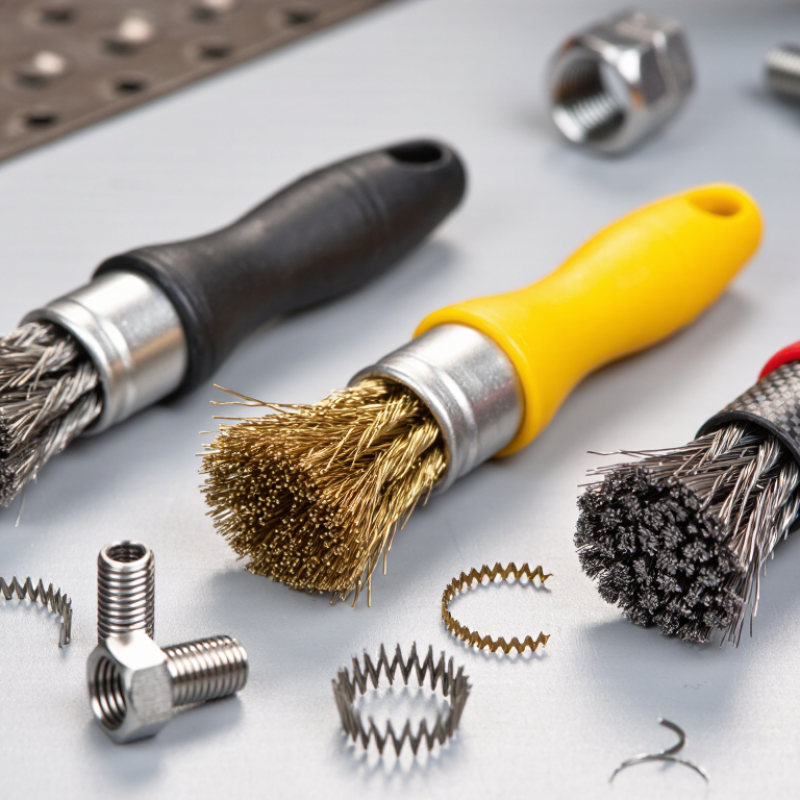
Choosing the right small wire brush can improve cleaning results, surface preparation, and tool life. A brush that looks suitable on a store shelf may perform poorly on delicate metal or narrow grooves. Wire material, bristle stiffness, handle shape, and brush size all affect control. Stainless steel resists rust and suits many maintenance tasks. Brass is gentler and can help reduce scratching on softer surfaces. Carbon steel offers strong abrasion but may leave residues on some materials. Small details matter.
This guide presents five practical tips for selecting a small wire brush with greater confidence. It considers the surface, the cleaning pressure, and the working environment. A comfortable handle can reduce hand fatigue during repeated use. A compact head can reach threads, corners, and uneven edges more precisely. Check the manufacturer’s specifications before buying, especially for wire diameter and recommended applications. Do not assume the stiffest brush is the best choice. It may damage a finished surface. I have also found that brush life depends on storage, moisture, and pressure, not only construction quality. That point is easy to overlook. Test a small hidden area first, then inspect the result under good lighting. No brush suits every job. A careful choice usually saves time, material, and frustration.
Define the Cleaning or Finishing Task First
Choosing a small wire brush starts with the surface, not the handle. Rust on a steel vise needs different treatment than dried paint on a hinge. A brush for heavy corrosion may scratch soft metal or remove useful surface detail. For light cleaning, choose finer wires and softer contact. For weld spatter or stubborn scale, thicker wires provide more cutting power. The wrong brush can create extra repair work.
Think about the finish you want. Do you need bare metal, a clean surface, or a lightly textured appearance? A dense brush removes material quickly, while a less dense brush offers gentler cleaning. Wire shape also matters. Crimped wires usually feel more forgiving, while straight wires can work more aggressively. Test a hidden area first. Use short strokes and moderate pressure. Let the bristles do the work.
Small details matter. Hold the brush at a low angle and keep your movements controlled. Excessive force can bend wires and leave uneven marks. I have seen users choose a very stiff brush for delicate aluminum, then spend longer correcting the damage. That mistake is easy to make. It is worth reconsidering the task halfway through. If the surface changes color, heats up, or develops deep scratches, stop and reassess the brush, pressure, and cleaning goal. Wear eye protection, since loose bristles and debris can travel farther than expected.
Carbon-steel wire suits carbon steel, cast iron, and heavy rust. It cuts aggressively and removes scale quickly. However, it may leave ferrous particles on stainless steel or aluminum. Those particles can later create surface staining and corrosion.
It helps reduce cross-contamination during weld cleaning and preparation. For delicate aluminum, brass, or painted parts, brass wire is usually gentler. The correct choice depends on pressure, temperature, and coating thickness. There is no universal winner. I have found that a softer wire often protects the surface better, but it may increase cleaning time.
Thin wire follows grooves and reaches narrow corners. Thick wire removes harder deposits but can scratch soft materials. ISO 8501-1 emphasizes controlled surface preparation before coating, making consistent scratch patterns important. A brush that feels fast may produce an uneven profile.
A 2023 U.S. Bureau of Labor Statistics report recorded 2.6 million nonfatal workplace injuries in private industry. Loose wires, excessive pressure, and poor eye protection create avoidable risks. Inspect the brush before use. Replace it when wires bend, break, or shed heavily.
Compare cleaning speed, surface marks, and residue. Grand View Research valued the global industrial brushes market at about USD 6.9 billion in 2022, showing how widely these tools are used. Yet market growth does not replace practical testing. Small details matter.
Match Brush Size and Shape to the Target Area Tip 1: Measure the target area before choosing a brush. A narrow brush suits grooves, bolt threads, and tight corners. A wider head cleans flat surfaces faster. In my workshop, oversized brushes often miss recessed dirt.
Tip 2: Match the brush shape to the surface. A straight brush works well along edges and channels. An angled brush reaches around fittings and inside awkward joints. A pointed end can clean small holes, but it may scratch soft materials. Test gently first.
Tip 3: Choose bristle length carefully. Short bristles provide firm contact on rust and compact residue. Longer bristles flex into uneven surfaces. They can feel easier to use, though they may clean less aggressively. This detail is easy to overlook.
Tip 4: Consider wire diameter and material. Fine wire suits delicate metal surfaces and light oxidation. Thicker wire handles stubborn buildup but leaves deeper marks on softer finishes. Wear eye protection, and inspect loose bristles before use.
Tip 5: Check the handle length and grip. A short handle gives better control in narrow spaces. A longer handle keeps your fingers away from sharp edges. I sometimes choose a brush that is too small for speed, then regret the extra passes. The target area should decide the tool, not convenience.
5 Tips to Choose the Best Small Wire Brush
Choosing a small wire brush starts with the bristle stiffness. Soft brass or fine steel bristles suit delicate metal surfaces and light oxidation. Stiffer bristles remove baked-on residue, rust flakes, and rough weld spatter more effectively. However, excessive pressure can scratch aluminum or polished parts. Test a hidden area first. That small step prevents expensive mistakes.
Bristle density affects both cleaning speed and control. A dense brush covers more surface with each stroke, which helps on flat edges and narrow grooves. Sparse bristles flex easily and reach uneven shapes, but they may clean slowly. I usually compare two brushes on the same dry surface. The brush leaving fewer untouched spots often performs better, even when it feels less aggressive.
Durability depends on wire quality, attachment, and daily handling. Look for bristles that remain secure after repeated bending. A reliable brush should keep its shape after several firm strokes. I once selected a very stiff brush because it cleaned quickly. The wires loosened sooner than expected, so that choice was poor for routine work. Check the handle, ferrule, and wire tips before buying. Sharp, uneven ends can reduce comfort and control. A practical brush should match the material, pressure, and cleaning frequency, not merely look powerful.
| Selection Tip | Recommended Specification | Typical Range or Rating | Best Application | What to Check |
|---|---|---|---|---|
| 1. Match Bristle Stiffness to the Surface | Choose softer wires for delicate surfaces and stiffer wires for heavy deposits. |
Soft: 0.08–0.15 mm Medium: 0.15–0.25 mm Stiff: 0.25–0.35 mm |
Soft: painted or polished surfaces Medium: general rust and dirt Stiff: weld scale and hardened residue |
A wire that is too stiff can scratch soft materials; a wire that is too fine may remove deposits slowly. |
| 2. Select the Right Bristle Material | Use carbon steel for general cleaning, stainless steel for corrosion-sensitive work, and brass for softer metals. |
Carbon steel: high cutting action Stainless steel: high corrosion resistance Brass: low-to-medium aggressiveness |
Carbon steel: rust and scale Stainless steel: stainless or aluminum surfaces where contamination matters Brass: copper, brass, and softer finishes |
Avoid using carbon-steel bristles where embedded iron particles could cause later surface rust. |
| 3. Compare Bristle Density | Choose higher density for faster coverage and lower density for access into narrow grooves. |
Low: about 10–20 tufts per 25 mm Medium: about 20–35 tufts per 25 mm High: about 35–50 tufts per 25 mm |
Low density: narrow slots and irregular profiles High density: broad, flat surfaces and repeated cleaning |
More bristles generally improve contact coverage, but can reduce flexibility in tight areas. |
| 4. Evaluate Durability and Retention | Look for securely anchored tufts, uniform trimming, and a handle that resists bending or cracking. |
Excellent: minimal shedding after repeated use Good: limited shedding with normal hand pressure Poor: visible loose wires or uneven tufts |
Frequent maintenance, workshop cleaning, and professional surface preparation | Check for loose bristles before use and replace the brush when the wire tips become worn, bent, or contaminated. |
| 5. Match Brush Shape to the Work Area | Select a straight brush for open areas, a narrow brush for grooves, and an angled brush for improved wrist clearance. |
Straight: broad contact Narrow: concentrated access Angled: improved reach and control |
Straight: flat surfaces Narrow: channels and threads Angled: corners and hard-to-reach joints |
The brush should reach the entire target area without forcing the handle against the workpiece. |
| Quick Comparison | A balanced small wire brush combines suitable stiffness, adequate density, secure bristle retention, and a shape suited to the work area. | Prioritize surface safety first, then cleaning speed and service life. | Hand cleaning, deburring, rust removal, thread cleaning, and weld preparation | Wear eye protection and gloves; use additional protective equipment when cleaning coatings or hazardous residues. |
Note: Bristle diameter and density ranges are typical selection guidelines. Actual performance varies with wire material, brush construction, contact pressure, surface condition, and cleaning method.
5 Tips to Choose the Best Small Wire Brush
A comfortable handle is more than a pleasant feature. It controls pressure, accuracy, and fatigue during repeated scrubbing. Look for a rounded grip with a non-slip surface, especially when gloves or oily hands are involved. NIOSH ergonomics guidance recommends reducing forceful exertion and awkward wrist positions. Keep your wrist nearly straight while brushing. Small changes matter.
Inspect the wire bundle before buying. Bristles should be firmly anchored, evenly trimmed, and suitable for the surface. Loose wires can irritate skin or reach the eyes, so wear appropriate eye protection and gloves. The U.S. Bureau of Labor Statistics reported about 2.6 million nonfatal workplace injuries and illnesses in private industry during 2023. A brush is not the main cause of these incidents, but careless hand-tool use can add avoidable risk. That deserves attention.
Overall value depends on service life, control, and task fit—not the lowest price. Compare bristle stiffness, handle quality, corrosion resistance, and replacement frequency. A softer brush may protect delicate metal but work slowly. A stiffer brush removes residue faster but can scratch finishes. I once chose stiffness too quickly and damaged a coated surface. That mistake still influences my buying decisions. Check the intended material, grip comfort, safety features, and long-term cost before choosing.
Compare the factors that matter most when selecting a small wire brush for effective, safe, and comfortable use.
This practical evaluation model gives the greatest weight to handle comfort, user safety, and bristle effectiveness. A brush with secure grip, protected construction, suitable bristles, and reasonable durability can provide better overall value than the lowest-priced option.