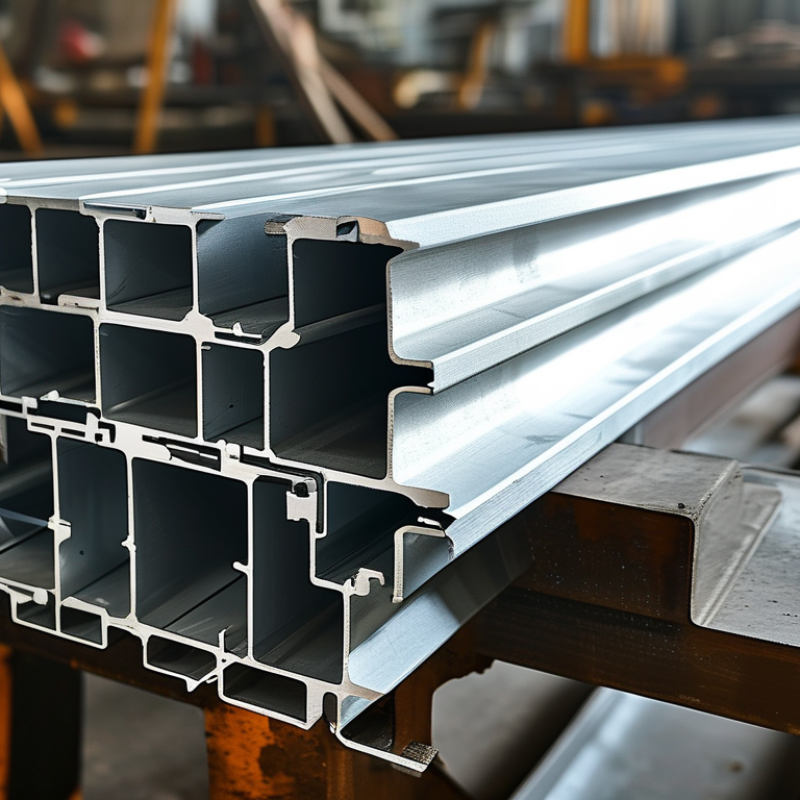
How to Choose the Right Aluminum Industrial Profile for Your Needs?
Choosing the right Aluminum Industrial Profile can significantly impact your project's success. This decision hinges on various factors. The aluminum profile's shape, size, and strength play a crucial role. Understanding your specific needs is essential.
Different industries utilize aluminum profiles uniquely. Some require lightweight options, while others need durability and strength. The application drives your choice. For instance, architectural designs may prefer sleek profiles for aesthetic purposes. Conversely, industrial applications often prioritize strength and load-bearing capacity.
Careful consideration ensures you select an appropriate aluminum profile. Misjudgments can lead to complications later. An ill-suited choice can affect the entire project. Quality and compatibility are key elements. Reflecting on these aspects can help you make an informed decision.
Factors to Consider When Selecting Aluminum Profiles for Industrial Use
Choosing the right aluminum profile for industrial use requires careful consideration of several factors. One crucial aspect is the profile's mechanical properties. Aluminum alloys vary in strength, corrosion resistance, and weight. According to industry reports, 6061 and 6063 alloys are among the most popular choices due to their balance of strength and workability. These profiles can withstand different stresses and environments, making them suitable for diverse applications.
Another factor is the profile's shape and dimensions. Custom shapes may be needed for specific projects, but standard profiles are often more cost-effective. A study from the Aluminum Association highlights that using standard sizes can reduce production costs by up to 20%. When selecting profiles, it is essential to consider compatibility with existing structures and assemblies.
Tip: Always check for certifications. Profiles should meet industry standards such as ASTM or ISO. This ensures reliability and safety.
Additionally, consider the machining and finishing processes available. Specific finishes can enhance the profile's durability and appearance. However, complex machining may increase lead times and costs. It's a balancing act between meeting design requirements and staying within budget.
Tip: Don’t hesitate to consult experts. Engaging with professionals can provide insights that save time and costs in the long run.
Understanding the Different Types of Aluminum Alloys for Profiles
When selecting aluminum alloys for industrial profiles, understanding the specific characteristics of each type is crucial. Aluminum alloys are classified in two categories: wrought and cast. Wrought alloys are more versatile and often used in structural applications. According to the Aluminum Association, wrought alloys can achieve higher strength and greater ductility. These properties make them ideal for components requiring high durability under stress.
Common wrought aluminum alloys include the 6061 and 6063 series. The 6061 alloy is known for its excellent mechanical properties, while 6063 is favored for its aesthetic finish. These alloys contain varying amounts of silicon and magnesium, impacting their weldability and corrosion resistance. Research indicates that 6061 can retain about 70% of its strength in elevated temperatures, making it suitable for automotive and aerospace applications. In contrast, 6063 offers a smooth surface finish, ideal for architectural designs.
While these alloys are reliable, they are not without limitations. For instance, 6061 may not be as corrosion-resistant in marine environments compared to other alloys. Additionally, improper heat treatment can weaken the material, leading to performance issues. Choosing the right alloy involves a balance between desired properties, including strength, corrosion resistance, and aesthetic needs. This process requires careful evaluation of project specifications and environmental factors.
The Role of Extrusion Processes in Aluminum Profile Selection
Choosing the right aluminum industrial profile often hinges on understanding the extrusion process. Extrusion transforms aluminum into various shapes through a simple yet effective method. This process allows for precision and flexibility, enabling manufacturers to meet diverse application needs. Different extrusion techniques can alter the characteristics of the profiles, influencing strength and weight.
The quality of the extrusion process is paramount. It affects the mechanical properties, surface finish, and tolerances of the final product. Poor extrusion can lead to defects such as inconsistent wall thickness or insufficient strength. Even minor variations can impact the overall performance of aluminum profiles in real-world applications.
Consider the specific demands of your project. High-strength requirements may necessitate a different extrusion method than lightweight applications. Reflecting on these factors can guide you toward the best aluminum profile for your needs. It’s crucial to assess not just the profile shape but also the process behind it. Understanding these nuances helps ensure a successful outcome for your projects.
How to Choose the Right Aluminum Industrial Profile for Your Needs?
| Profile Type | Common Applications | Material Properties | Extrusion Process | Strength Rating |
| T-Slot Profiles | Modular frames, automation equipment | Lightweight, high strength-to-weight ratio | Direct extrusion | Up to 300 MPa |
| I-Beams | Structural supports, construction | Excellent load-bearing capability | Indirect extrusion | Up to 250 MPa |
| Square Tubes | Furniture, frames | Sturdy, durable | Continuous casting | Up to 220 MPa |
| Channel Profiles | Bodywork, railway installations | Corrosion resistant, lightweight | Hot extrusion | Up to 200 MPa |
Key Performance Metrics for Aluminum Industrial Profiles
Choosing the right aluminum industrial profile depends heavily on understanding key performance metrics. These profiles must meet specific requirements for strength, weight, and corrosion resistance. According to industry reports, over 85% of companies prioritize machinability and stability in profile selection. The material's tensile strength is critical; profiles typically range from 70 to 700 MPa. Understanding these figures helps avoid costly mistakes.
Tips: Look for profiles tested under various conditions. Real-world applications can differ from theoretical performance. This can lead to unanticipated structural failures.
Another performance metric is the alloy composition. Aluminum profiles come in various grades, affecting weight and flexibility. For example, 6061-T6 aluminum balances strength and weight, making it popular across industries. A mismatch can lead to inefficiency or safety hazards. The finish of the profile also matters. Surface treatments like anodizing can improve durability by up to 50%.
Tips: Always consult reliable resources for specifications. Performance data can vary significantly between manufacturers. Validate with case studies or industry benchmarks to ensure reliability.
Cost-Benefit Analysis of Aluminum Profiles vs. Alternative Materials
When choosing aluminum industrial profiles, understanding the cost-benefit analysis is crucial. Studies show that aluminum has a cost advantage over steel and plastic. According to the Aluminum Association, lightweight aluminum can reduce transportation costs significantly. In fact, using aluminum can lower shipping weights by up to 30%. This reduction positively impacts overall project costs.
Durability is another advantage. Aluminum resists corrosion and withstands extreme weather, leading to lower maintenance expenses. A report by the International Aluminum Institute indicates that structures made of aluminum last longer, reducing the need for replacements. However, some industries still hesitate due to higher upfront costs.
It's essential to analyze long-term savings versus initial investments. Customized aluminum profiles can enhance efficiency in production. They can improve functionality, but design and production times may increase. This factor should be weighed during the decision-making process. Balancing short-term and long-term costs is key in selecting the right aluminum profiles for your needs.
Cost-Benefit Analysis of Aluminum Profiles vs. Alternative Materials