Why Choose Stainless Steel Manufacturers for Your Next Project?
Choosing the right materials for a project is crucial. Many industries turn to stainless steel manufacturers to meet their diverse needs. Stainless steel offers numerous advantages, including durability and resistance to corrosion. These materials are essential for projects in various sectors, such as construction, automotive, and medical.
When selecting stainless steel manufacturers, it's vital to consider their experience and expertise. Not all manufacturers provide the same quality. Some may cut corners, while others invest in advanced technology and skilled labor. This difference can greatly impact your project's success.
Reliable stainless steel manufacturers can provide tailored solutions. They understand the specific requirements of your project. However, even the best manufacturers may face challenges, such as supply chain delays or fluctuating prices. It's important to acknowledge these potential issues while planning your project. This awareness can lead to better decision-making and a smoother process.

Understanding Stainless Steel and Its Advantages
Stainless steel is a material renowned for its strength and durability. It resists corrosion, which makes it ideal for various environments. When you choose stainless steel, you invest in quality. This metal is not only functional but also aesthetically pleasing. Its finish can enhance the visual appeal of any project.
This material comes in multiple grades, each with unique properties. Some are excellent for high-temperature applications. Others are perfect for medical devices. Knowing this can guide you in selecting the right type. However, navigating these options can be confusing. It's crucial to consult with experts who understand the nuances. This experience can help avoid costly mistakes later on.
The advantages of stainless steel extend beyond just strength. Its low maintenance needs save time and money. Yet, some might overlook the initial cost. It can be higher than other materials. However, its long lifespan often compensates for this expense. Additionally, consider recycling. Stainless steel can be repurposed, which makes it eco-friendly. This sustainable aspect contributes to a better choice for modern projects.
Key Factors to Consider When Choosing Stainless Steel Manufacturers
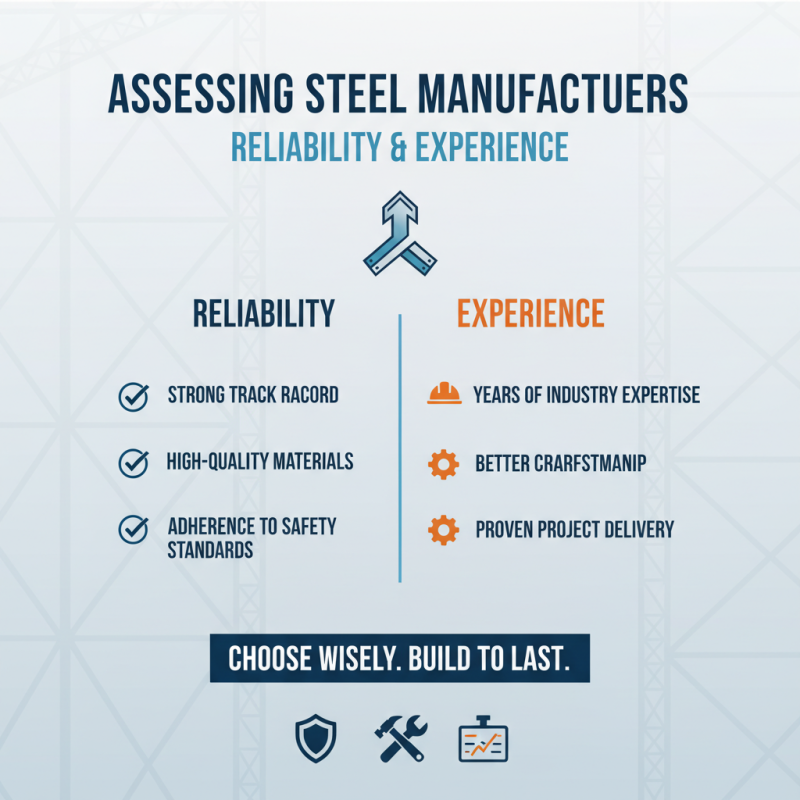
When selecting stainless steel manufacturers, several key factors come into play. Firstly, expertise in the industry is vital. According to a 2022 industry report by Smithers, nearly 70% of professionals emphasize the importance of manufacturing experience. Companies with years of operation often demonstrate reliability and superior quality control. It’s crucial to look at their history and portfolio.
Quality certifications are another essential factor. Many manufacturers adhere to standards such as ISO 9001. This certification indicates a commitment to quality management systems. Moreover, the materials' grades should match the project’s specifications. For instance, the effectiveness of 316 stainless steel in marine environments has been highlighted in numerous studies. However, not all manufacturers provide thorough information on their material sourcing. This lack of transparency can pose risks.
Finally, consider the manufacturer’s ability to provide custom solutions. Some projects require unique specifications. While many manufacturers claim to offer customization, not all can deliver consistently. It's essential to ask about past projects and customer feedback. Engaging with previous clients can unveil valuable insights into a manufacturer’s reliability and performance. Balancing cost and quality often requires careful thought and consideration of these factors.
Evaluating the Cost-Effectiveness of Stainless Steel Solutions
Stainless steel is known for its durability. It stands up well against corrosion and wear. This makes it a popular choice in various industries. However, many overlook the long-term cost-effectiveness of stainless steel solutions. Investing in high-quality materials often leads to reduced maintenance costs and fewer replacements over time.
When evaluating costs, consider the lifecycle of the material. Stainless steel products may come with a higher upfront price. Yet, their strength and longevity can result in significant savings down the line. Projects that use inferior materials might save initially but encounter frequent repairs. Such outcomes offset any initial savings and can lead to increased operational expenses.
Sustainability also plays a role in cost-effectiveness. Stainless steel is fully recyclable, reducing environmental impact. Companies focused on eco-friendly practices can enhance their brand image and attract customers. However, while stainless steel solutions are often better, it’s essential to reflect on potential trade-offs. For example, the energy intensity of production can be considerable. Balancing environmental concerns with economic benefits is crucial for informed decision-making.
Exploring Applications and Industries That Benefit from Stainless Steel
Stainless steel is a versatile material used in various industries. Its resistance to corrosion makes it ideal for coastal architecture. In food processing, stainless steel is hygienic and easy to clean. This ensures safety and quality in food production.
Many sectors benefit from stainless steel's strength and durability. The automotive industry relies on it for exhaust systems and structural components. In construction, stainless steel enhances aesthetic appeal and longevity. Hospitals use it for surgical instruments due to its non-reactive qualities.
However, not all applications utilize stainless steel effectively. Some projects may overlook the specific grades suited for their needs. Choosing the wrong type can lead to costly repairs or failures. It's crucial to consult with experts to ensure the right decision is made.
Why Choose Stainless Steel Manufacturers for Your Next Project? - Exploring Applications and Industries That Benefit from Stainless Steel
| Application |
Industry |
Benefits |
| Food Processing |
Food & Beverage |
Corrosion resistance, hygiene, durability |
| Medical Equipment |
Healthcare |
Biocompatibility, sterilization capability |
| Construction |
Architecture |
Strength, aesthetic appeal, low maintenance |
| Automotive Parts |
Automotive |
Lightweight, corrosion resistance, durability |
| Chemical Processing |
Chemical Industry |
High temperature resistance, corrosion resistance |
| Marine Applications |
Marine |
Saltwater resistance, durability |
| Piping Systems |
Oil & Gas |
Pressure resistance, longevity |