Why Choose a Drain Jetting Hose for Your Cleaning Needs?
When tackling stubborn clogs and blockages, a Drain Jetting Hose proves essential. This tool harnesses high-pressure water jets to clear debris effectively. Many professionals choose this method for its efficiency and speed. It offers a reliable solution, particularly for challenging pipes.
The expertise behind using a Drain Jetting Hose cannot be overstated. Proper training ensures safety and success during the cleaning process. Users must understand the hose's capabilities and limitations. Misuse can lead to costly damages or ineffective cleaning. Careful handling is crucial to achieve the best results.
Using a Drain Jetting Hose requires attention to detail. Knowing the right pressure settings can make all the difference. Evaluating the type of blockage helps in selecting the appropriate technique. Each situation is unique; what works well in one case might not in another. This nuanced approach is vital for anyone seeking efficient drainage solutions.
Advantages of Using a Drain Jetting Hose for Cleaning Tasks
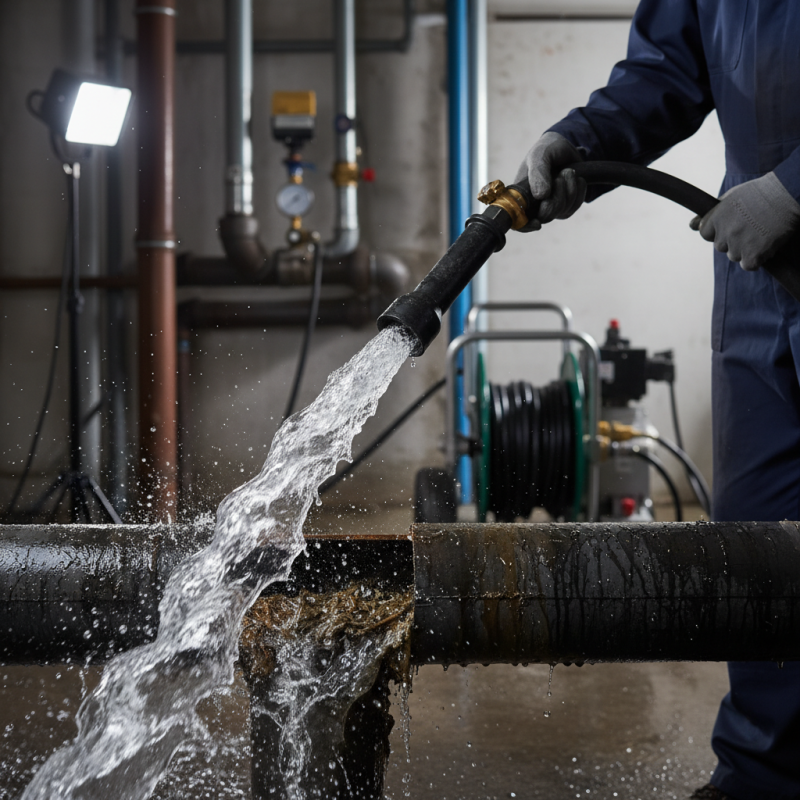
When it comes to maintaining clean drains, a drain jetting hose stands out as a powerful tool. This type of hose delivers high-pressure water directly into clogged pipes. The water pressure effectively breaks up and flushes away stubborn debris, such as grease and dirt. This method is often more efficient than traditional snaking methods. It can reach deeper into the pipes, where many blockages hide.
Using a drain jetting hose has several advantages. It cleans not just the surface, but also the interior walls of the pipes. This thoroughness reduces the chance of future clogs. Additionally, it minimizes damage to pipes, as high-pressure water is less abrasive than mechanical tools. Many users appreciate that this method is environmentally friendly. Water and pressure are the only forces at play, eliminating the need for harsh chemicals.
Tips: Regular maintenance with a drain jetting hose can save you money in the long run. Always wear protective gear when using high-pressure equipment. It’s also wise to assess your pipes' condition before starting, as some older systems may not withstand the pressure. Lastly, ensure you have a reliable water source—this is crucial for effective cleaning.
Understanding the Mechanism of Drain Jetting Technology
Drain jetting technology offers an effective solution for clearing blockages. Utilizing high-pressure water jets, this method can reach places traditional drain cleaning cannot. Water pressure can exceed 4000 PSI, allowing it to remove stubborn debris and buildup. Surprisingly, studies show that about 40% of plumbing issues stem from grease and sludge accumulation. The force from drain jetting not only clears these obstructions but also flushes away residual materials.
The mechanism behind drain jetting is straightforward. A specialized hose, designed for high pressure, delivers precise water jets through nozzles. These jets create a powerful suction effect that breaks apart and lifts debris. The operation is gentle on pipes but brutal on stubborn blockages, which is crucial for maintaining pipe integrity. Research indicates that well-maintained drain systems improve efficiency by 30% and reduce the likelihood of future blockages.
However, the method isn't without challenges. Operators must be trained to use equipment correctly. Improper use can lead to pipe damage. It's essential to understand the specific needs of your drainage system. Having a professional assessment ensures that drain jetting is applied suitably, maximizing its effectiveness while minimizing risks. This blend of high-tech cleaning and ongoing maintenance sets the foundation for long-lasting piping systems.
Key Features to Consider When Selecting a Drain Jetting Hose
When selecting a drain jetting hose, there are key features to consider. The hose material plays a critical role in its performance. High-quality materials like thermoplastic or rubber can handle high pressure and resist wear. A durable hose will last longer and reduce the frequency of replacements. According to industry studies, proper material can enhance operational efficiency by up to 30%.
Another important feature is the diameter of the hose. A larger diameter allows for higher flow rates, which can speed up the cleaning process. Many professionals recommend a hose with a diameter between 1/2 inch to 1 inch for standard uses. Data shows that using an appropriate diameter can affect cleaning effectiveness by as much as 25%. Additionally, consider the hose length. A longer hose can reach difficult areas but may reduce water pressure, impacting the overall cleaning power.
Compatibility with various nozzles is also vital. Different nozzles produce distinct jetting patterns, affecting cleaning results. Reports suggest that selecting the right nozzle can improve removal of stubborn blockages by nearly 40%. Evaluating these features seriously influences the effectiveness and reliability of your cleaning tasks. Careful consideration ensures you choose a hose that meets your specific demands.
Why Choose a Drain Jetting Hose for Your Cleaning Needs? - Key Features to Consider When Selecting a Drain Jetting Hose
| Feature | Description | Importance |
| Material | Typically constructed from durable materials like polyurethane or rubber, which resist abrasion and wear. | Ensures long lifespan and reliability during high-pressure applications. |
| Pressure Rating | Specifies the maximum pressure at which the hose can safely operate without failure. | Critical for effective clearing of blockages and preventing hose ruptures. |
| Length | Available in various lengths to suit different drain cleaning needs. | Enables access to hard-to-reach areas and flexibility in usage. |
| Nozzle Types | Different nozzle designs available for various cleaning tasks (e.g., rotating, flat, jet). | Enhances cleaning efficiency and effectiveness based on the type of blockage. |
| Compatibility | Should be compatible with existing drain cleaning equipment. | Ensures ease of use and integration into existing systems. |
| Weight | Lightweight designs are easier to handle and maneuver. | Reduces operator fatigue during prolonged use. |
Common Applications of Drain Jetting Hoses in Maintenance
Drain jetting hoses are valuable tools for various maintenance applications. They are widely used in residential and commercial settings. One common application is clearing clogged drains. With high-pressure water jets, these hoses break apart debris effortlessly. They can remove grease, roots, and minerals that often cause blockages. This effectiveness makes them essential for plumbing professionals.
Another key use is in sewer maintenance. Regular sewer inspections help prevent costly backups. Using drain jetting hoses allows for thorough cleaning of sewer lines. This process ensures that waste flows freely. It reduces the risk of damage from stagnant water. Additionally, municipalities often use these hoses for maintaining storm drains. By eliminating flood risks, they promote public safety.
While drain jetting hoses are highly effective, they are not without limitations. Operators must be cautious of older pipes. Excessive pressure can cause damage if not monitored. Furthermore, improper use can lead to water pressure issues. Training and experience are crucial for safe operation. Understanding these aspects helps ensure optimal performance during maintenance tasks.
Common Applications of Drain Jetting Hoses
Tips for Proper Use and Maintenance of Drain Jetting Hoses
Using a drain jetting hose can greatly enhance your cleaning tasks. However, proper use and maintenance are crucial to ensure its effectiveness. Before starting your cleaning job, inspect the hose for any visible damage. Even small tears can lead to bigger issues. Check the connections and fittings to ensure they are secure. This simple step can prevent leaks and increase efficiency.
When using the hose, avoid sharp bends or kinks. Such formations can restrict water flow and strain the material. Hold the nozzle at the right distance from the surface to maximize cleaning power while minimizing potential damage. It’s important to follow the manufacturer’s pressure guidelines. Exceeding these limits can compromise the hose's longevity.
Regular maintenance is key to extending the life of your drain jetting hose. After each use, flush the hose with clean water to remove debris. Store it in a cool, dry place to prevent deterioration from heat and moisture. Occasionally inspect for wear, especially at the joints. Recognizing these issues early can save time and money later. Remember, even the best tools require care and attention. Ensuring your equipment remains in top shape is essential for effective cleaning.