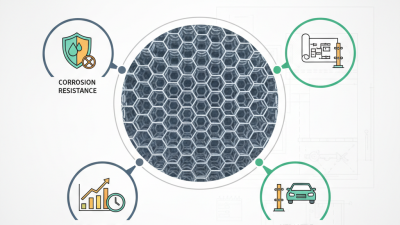
What is Welded Wire Mesh Benefits and Applications?
Welded wire mesh stands out as a versatile material in various industries. It consists of wires welded at intersections, creating a strong and durable grid. Renowned expert Dr. Emily Carter states, "Welded wire mesh brings efficiency and strength to construction and agriculture." This statement highlights its importance in modern applications.
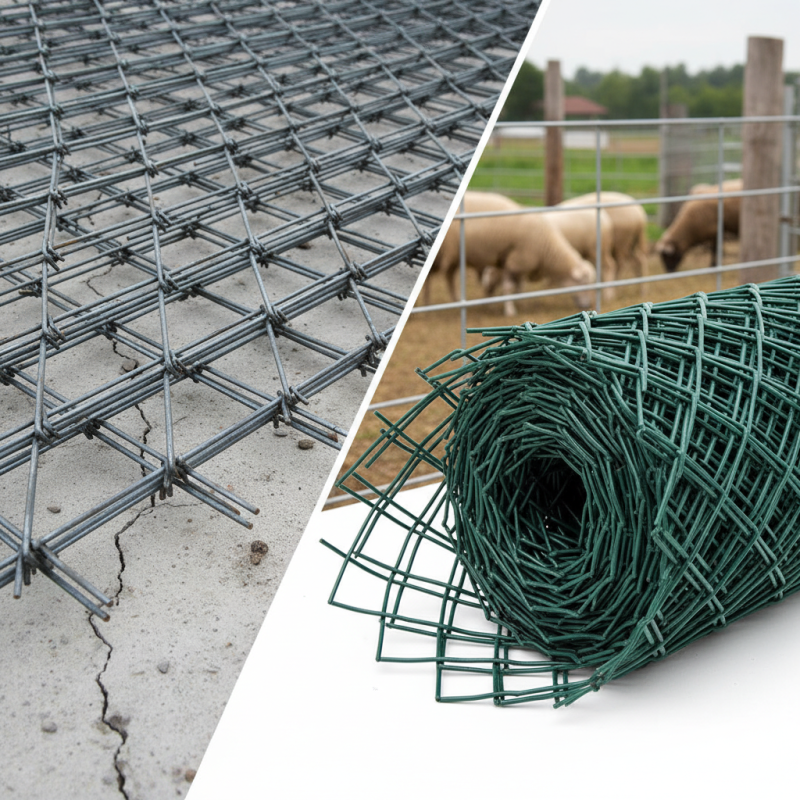
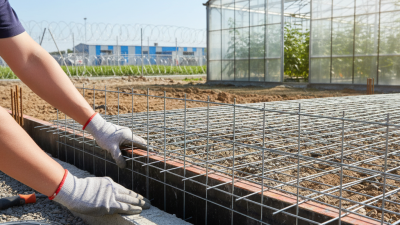
In construction, welded wire mesh is commonly used for concrete reinforcement. Its strength ensures that structures remain stable and endure heavy loads. Additionally, in agriculture, it aids in creating enclosures for livestock and crops. The flexible design allows for various configurations.
However, one should consider the specific needs of each project. Not all welded wire mesh types suit every purpose. Reflecting on material choices is crucial for maximizing benefits. Understanding the right applications will lead to better long-term results.
Definition and Composition of Welded Wire Mesh
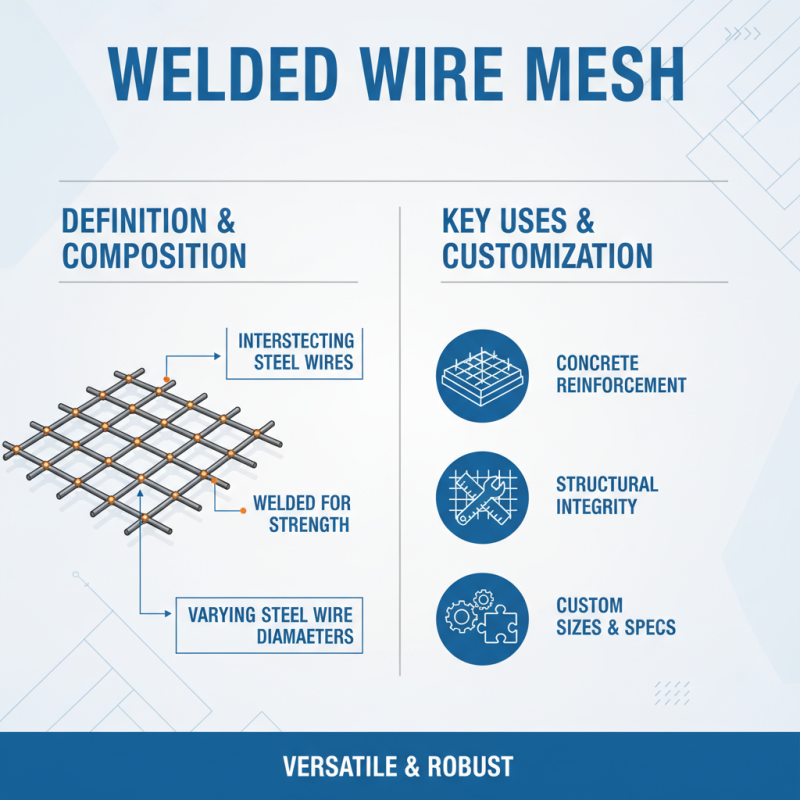
Welded wire mesh is a robust and versatile product widely used in various applications. It is made from intersecting wires that are welded together for added strength. The composition typically includes steel wires of varying diameters. This mesh provides structural integrity, making it ideal for reinforcing concrete in construction. Additionally, it can be customized to fit different sizes and specifications.
In agriculture, welded wire mesh plays a crucial role. It can create protective fencing around farms and gardens, keeping animals at bay. Its durability ensures long-lasting use, even in harsh weather conditions. However, some applications might require adjustments for specific environments. For instance, using a thicker gauge wire may offer better resistance to bending, especially in high-stress areas.
Tips: When selecting welded wire mesh, consider the intended application. Not all meshes are created equal. Choosing the right material and gauge can make a significant difference. Remember, assessing site conditions is crucial for optimal performance. Regular inspections can help identify any wear or damage early on, ensuring longevity.
Key Benefits of Using Welded Wire Mesh in Construction
Welded wire mesh offers significant advantages in construction. It provides exceptional strength and durability for various applications. This mesh consists of a grid of wires that are electrically welded at intersections. This results in a strong, uniform product that can withstand heavy loads.
One key benefit is its versatility. Welded wire mesh can be used in flooring, walls, and reinforcement. It’s often used in concrete structures to improve stability. This form of mesh is also resistant to corrosion, which extends its lifespan. It performs well in harsh environments, making it a reliable choice for builders.
Another important aspect is cost-effectiveness. It reduces labor costs when compared to traditional rebar methods. However, it’s essential to ensure proper installation. Improperly installed mesh can lead to structural issues. Construction professionals must pay attention to specifications to harness its full benefits. Ultimately, welded wire mesh is a valuable material that enhances safety and efficiency in construction projects.
What is Welded Wire Mesh Benefits and Applications? - Key Benefits of Using Welded Wire Mesh in Construction
| Benefit |
Description |
Common Applications |
| Strength |
Welded wire mesh provides robust structural integrity and can withstand heavy loads. |
Foundations, slabs, and retaining walls. |
| Durability |
Corrosion-resistant materials enhance the longevity of construction. |
Outdoor constructions, agricultural buildings, and fencing. |
| Cost-Effectiveness |
Reduces labor and material costs while improving construction speed. |
Commercial buildings, residential projects, and road construction. |
| Versatility |
Can be used in a wide variety of construction applications due to customizable sizes. |
Wall reinforcement, concrete slabs, and staircase support. |
| Ease of Installation |
The lightweight design simplifies handling and installation processes. |
Assembling structures, residential fences, and garden beds. |
Common Applications of Welded Wire Mesh in Various Industries
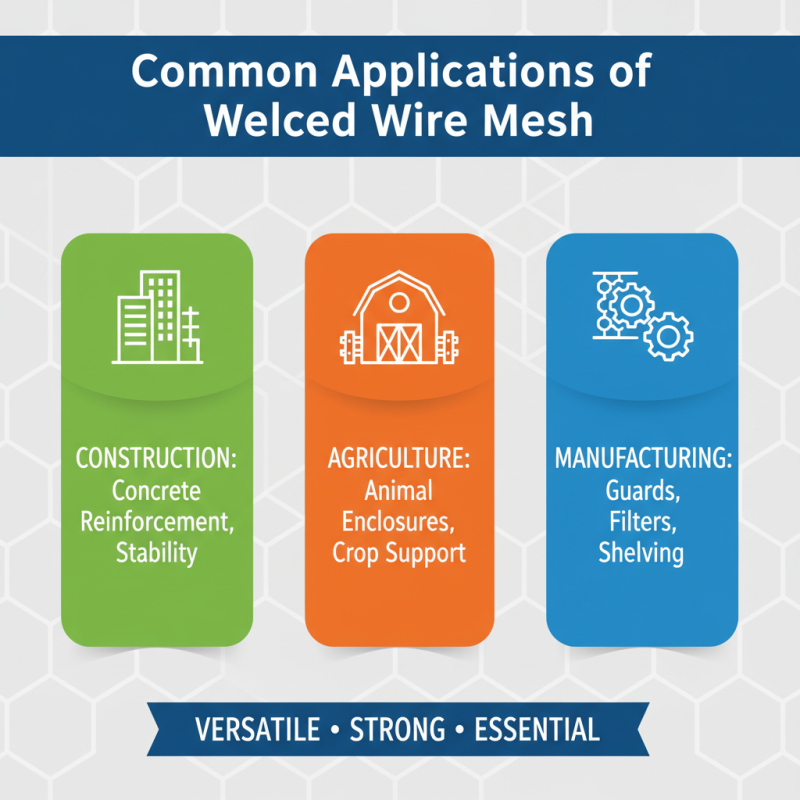
Welded wire mesh is widely used across various industries due to its versatility and strength. It serves multiple purposes, making it an essential material in construction, agriculture, and manufacturing. For instance, in construction, it reinforces concrete structures. This adds stability and prevents cracking, ensuring safety. The mesh's even spacing also allows for uniform load distribution.
In agriculture, welded wire mesh is utilized for fencing and animal enclosures. Its durability and resistance to rust make it ideal for protecting livestock from predators. Farmers often prefer this material for its cost-effectiveness and long lifespan. Additionally, in landscaping, mesh systems are employed to support plants and prevent soil erosion.
Manufacturers often rely on welded wire mesh for safety screens and security applications. It offers visibility while maintaining strength, proving useful in various environments. While this product has many benefits, sourcing high-quality materials is crucial. Inconsistent quality can lead to unexpected failures. Thus, careful consideration in material selection can enhance the reliability of welded wire mesh applications.
Comparative Analysis: Welded Wire Mesh vs. Other Types of Mesh
Welded wire mesh, widely used in various applications, offers distinct advantages over other types of mesh. Its robust structure makes it a popular choice for construction and fencing. According to industry reports, welded wire mesh displays superior strength and durability, often exceeding the performance of woven wire alternatives. This increased reliability gives it favored status among construction engineers and architects.
In terms of cost-effectiveness, welded wire mesh generally comes out ahead. A market analysis indicated a 15% reduction in long-term expenses when using welded mesh compared to woven designs. This is primarily due to its longevity and lower maintenance needs. However, some critics argue that welded wire can be less flexible than woven types, potentially complicating certain installations. Additionally, the rigidity of welded mesh may not suit every project, requiring careful assessment of design requirements.
When comparing welded wire mesh with expanded metal or chain link, it's clear that each offers unique strengths. Expanded metal has excellent ventilation but lacks the solid backing of welded mesh. Chain link fencing, while affordable, does not provide the same level of security. Thus, the choice depends on specific project needs and conditions. Each option has its trade-offs, and clients must weigh these factors based on their unique circumstances.
Welded Wire Mesh Benefits and Applications
This chart compares the benefits of Welded Wire Mesh against other types of mesh in various categories such as Strength, Cost-Effectiveness, Durability, Versatility, and Ease of Installation. The data illustrates that Welded Wire Mesh generally provides superior performance across these dimensions, making it a preferred choice for many applications.
Maintenance and Longevity of Welded Wire Mesh Structures
Welded wire mesh is valued for its durability and versatility. When it comes to maintenance, it requires minimal effort. Regular inspections are vital to identify any rust or damage. Studies indicate that properly maintained welded wire mesh can last over 50 years. This longevity makes it a cost-effective choice for various applications.
Environmental factors can affect the lifespan of welded wire mesh. Exposure to harsh weather can lead to rust. In some cases, a protective coating can significantly enhance resistance to corrosion. However, the coatings themselves must be inspected regularly, as wear and tear can compromise their effectiveness.
In industrial settings, welded wire mesh supports safety and security. Yet, if not maintained, it may become a liability. Regular cleaning can prevent debris buildup. Maintenance may seem tedious, but it is crucial for ensuring structural integrity. The balance between longevity and upkeep is essential for maximizing the benefits of welded wire mesh.