10 Best Tube Brushes for Industrial Cleaning?
Industrial cleaning often depends on tools that receive little attention. A narrow tube can hide grease, mineral scale, rust flakes, or product residue. When buildup remains, equipment performance and hygiene may suffer. The right tube brush can reach these difficult spaces without damaging the surface. Yet choosing one is not as simple as selecting the stiffest bristles.
This guide examines ten tube brushes designed for demanding industrial environments. It considers bristle material, diameter, handle strength, flexibility, chemical resistance, and cleaning access. Stainless steel brushes may suit durable metal surfaces, while nylon bristles can offer a gentler option for sensitive components. Some models work well inside pipes, hoses, valves, heat exchangers, and laboratory equipment. Others appear useful but may bend too easily under pressure. That detail matters in real maintenance work.
Practical experience suggests that brush size should match the inner diameter closely. A loose brush may miss residue along the walls. An oversized brush can become trapped or scratch delicate surfaces. Operators should also check temperature limits and compatibility with cleaning chemicals. Manufacturer specifications remain important, although they do not always reflect every workplace condition. This review compares the strengths and limitations of each option, helping maintenance teams make a more informed decision. No brush is perfect. The best choice depends on the material, contamination, access, and cleaning frequency. Expect useful guidance, but verify fit before purchase.

What Are Tube Brushes and Why Are They Used in Industrial Cleaning?
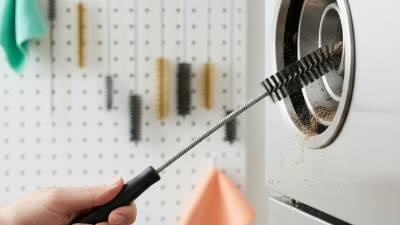
Tube brushes are narrow cleaning tools with bristles fixed around a flexible or rigid stem. They enter tubes, valves, drilled passages, and fittings that cloths cannot reach. In practice, technicians use them to remove scale, sludge, rust particles, adhesive residue, and process buildup. The brush scrapes the inner wall while preserving access through small openings.
Industrial cleaning needs this control. The NACE IMPACT study estimated that corrosion costs about 2.5 trillion dollars globally each year, equal to roughly 3.4% of worldwide economic output. Tube brushing cannot prevent every corrosion problem. However, removing deposits can improve inspection accuracy and reduce contamination during maintenance. The U.S. Occupational Safety and Health Administration also emphasizes selecting suitable tools and controlling exposure during mechanical cleaning. Material choice matters. Stainless steel, nylon, brass, and abrasive filaments behave differently inside sensitive tubes.
Tips: Match the brush diameter closely to the tube’s inside diameter. Too small, and residue remains. Too large, and the bristles may damage soft surfaces. Rotate gently, use short strokes, and inspect the tube afterward. Clean the brush between applications, especially in food, pharmaceutical, or chemical areas. Never assume a visibly clean tube is technically clean. Verification still matters. Some deposits hide in bends, welds, and dead legs, where a basic brush may be inadequate.
10 Best Tube Brushes for Industrial Cleaning
Typical continuous-use temperature limits of common tube-brush bristle materials
Tube brushes are cylindrical cleaning tools used to remove residue, scale, rust, and deposits from pipes, holes, fittings, heat-exchanger tubes, and other confined spaces. Nylon and polypropylene are commonly selected for general-purpose cleaning, while brass and stainless steel are used when greater abrasion resistance or higher-temperature performance is required. Actual limits depend on grade, exposure time, chemicals, and brush construction.
Key Features to Compare in Industrial Tube Brushes
10 Best Tube Brushes for Industrial Cleaning?
Key Features to Compare in Industrial Tube Brushes
Choosing an industrial tube brush requires more than matching a catalog size. The working diameter should fit the tube closely, but not become difficult to pull. A brush that is too loose leaves residue behind. A tight brush may damage soft surfaces or bend during use. Measure the tube opening, not just its stated size. Small differences matter.
Bristle material and stiffness deserve careful comparison. Stainless steel bristles suit hard deposits and high-temperature work, while nylon is gentler on coated or delicate interiors. Abrasive fibers can remove stubborn buildup, but they may shorten surface life. I once selected a brush that cleaned quickly, yet its aggressive bristles scratched the inner wall. That mistake changed my testing method. Cleanliness is not the only target.
Handle length affects control, reach, and operator comfort. Flexible shafts can follow curved passages, while rigid handles provide stronger pressure in straight tubes. Look for secure connections between the handle, stem, and brush head. Loose parts can interrupt work and contaminate the cleaning area. Corrosion resistance also matters in wet environments. A brush should survive repeated washing, drying, and storage without sharp wire ends spreading. Check whether the design allows easy inspection after use. Some brushes look durable at first. Real performance appears after repeated cycles.
How to Select the Right Tube Brush for Your Equipment
Selecting the right tube brush begins with the equipment, not the brush catalogue.
Measure the tube’s inner diameter at several points. Deposits can narrow the opening unevenly. A brush should contact the walls firmly without becoming difficult to pull.
Match the bristle material to the residue and tube surface. Nylon suits many routine cleaning tasks and resists moisture. Stainless steel bristles remove harder buildup, but they may scratch softer metal. Natural fibers can work with delicate surfaces, though they usually need gentler handling. Check chemical compatibility, operating temperature, and moisture exposure before choosing. Small details matter.
Shaft length should reach the full tube depth while leaving a comfortable grip. Flexible shafts follow curved passages, while rigid shafts provide stronger control in straight tubes. Choose a twisted-wire core for general work, but inspect it for broken wires after every use. Loose wires can remain inside equipment. That is easy to miss.
A practical test is better than guessing.
Run the brush through a small section first. Check whether it removes residue without gouging the surface. I have found that a slightly smaller brush often cleans better than an oversized one, especially in narrow bends. That choice can feel counterintuitive. Record the tube size, residue type, brush material, and cleaning result. These notes make future selection more consistent, although real equipment rarely behaves exactly like a specification sheet.
Best Practices for Using and Maintaining Tube Brushes
Industrial tube brushes work best when their use is controlled, inspected, and documented. Select the correct diameter, filament stiffness, and handle for the tube material. A brush should contact the inner wall without jamming. Excessive force can bend the stem or shed filaments.
Clean tubes with steady strokes, not sudden twisting. Flush loosened residue with an approved cleaning solution and capture waste safely. Keep hands away from openings and wear task-appropriate eye and hand protection.
OSHA’s 29 CFR 1910.22 requires work surfaces and areas to remain clean, orderly, and sanitary. That principle also applies to brush storage. Never leave a wet brush inside a toolbox.
Maintenance teams should inspect every brush before and after use. Look for broken wires, flattened filaments, cracked handles, and corrosion near the stem. Replace damaged tools immediately. A hidden fragment can contaminate a cleaned passage.
The U.S. Bureau of Labor Statistics reported about 2.6 million nonfatal workplace injuries and illnesses in private industry during 2023.
Good tool control cannot prevent every incident, but it reduces avoidable exposure. We sometimes replace brushes too late. That is worth challenging.
Record brush size, service date, cleaning method, and disposal reason. Store dry brushes in labeled holders, separated from chemical containers and used tools. Recheck the procedure when residue remains; the brush may be wrong, or the cleaning time may be too short.